
In 2025, Ford led all automakers with 94 recall campaigns affecting nearly 6 million vehicles, while Tesla impacted the most individual cars, about 5.8 million units, mainly due to software-related fixes. Overall, more than 3.5 million vehicles were recalled across the U.S., highlighting significant safety challenges for buyers evaluating used and new cars.
Why Recalls Matter for Used Car Buyers
For used car buyers, knowing a vehicle’s recall history is essential for safety and value. A recall means the manufacturer or the NHTSA found a defect that could affect performance or passenger protection. Checking these records helps buyers avoid models with frequent issues and plan for potential repairs. A thorough vehicle history report reveals whether previous owners completed necessary recall repairs. Recent car recalls also affect new vehicle valuations and insurance considerations.
Key considerations for used car buyers include:
- Active recall status - Unresolved safety recalls remain with the vehicle regardless of ownership changes.
- Recall completion rates - Some manufacturers consistently achieve higher completion rate percentages than others.
- Severity assessment - Not all recall campaigns pose equal risks to vehicle owners and passengers.
- Repair availability - Certain recall type issues may require extended wait times for defective parts or specialized equipment.
- Resale impact - Vehicles with extensive recall notices may experience reduced market value over time.
- Child safety concerns - Car seats and restraint systems require special attention during recall campaigns.
Top Car Brands With the Most Recalls in 2025
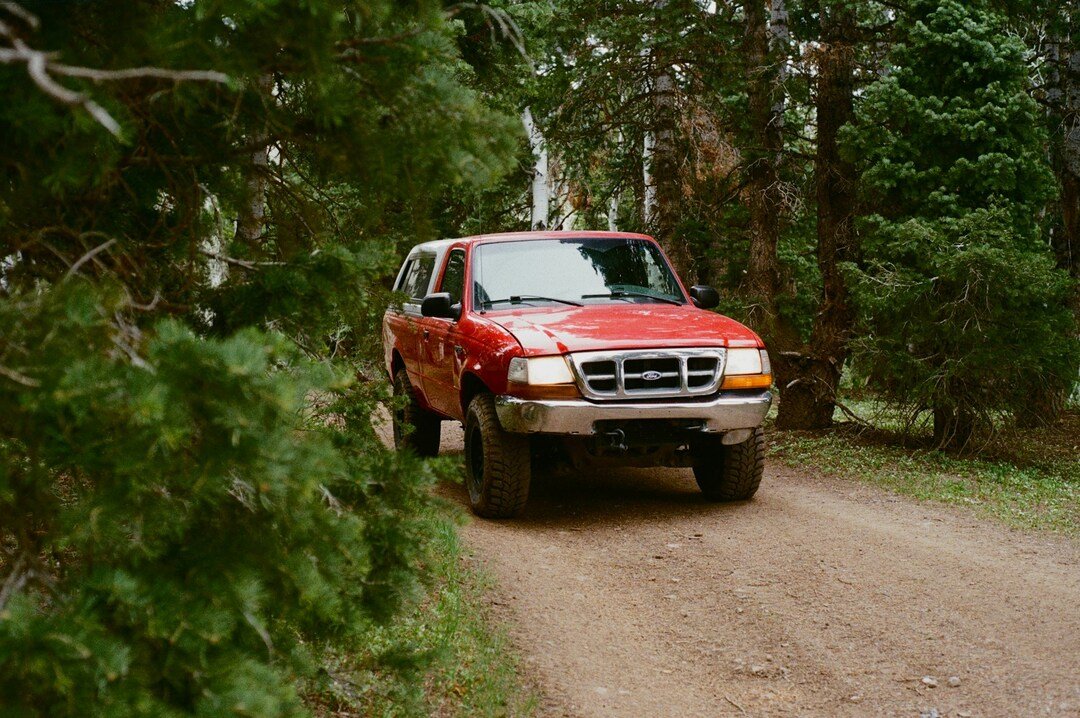
Current data reveal significant disparities in recall frequency among major vehicle manufacturers and car companies. While some brands consistently issue proactive campaigns to address potential defects early, others face recurring problems with critical systems that lead to larger, more urgent recalls.
Ford
Ford Motor Company continues its pattern of leading industry recalls with substantial safety-related campaigns. According to Ford’s official Part 573 Safety Recall Report filed with the NHTSA, the automaker issued 51 recalls affecting over 1.8 million vehicles in just the first five months of 2025. Ford vehicles experienced particular challenges with seat belt systems. They affected popular models like the Explorer, Aviator, Expedition, and Navigator. These recalls highlight ongoing issues with quality control. Many recalls resulted from customer complaints and manufacturer investigations.
Major Ford recall campaigns include:
- Seat belt malfunctions are affecting multiple model years across the Ford lineup.
- Powertrain issues in trucks and SUVs require immediate attention from vehicle owners.
- Electrical system failures are causing warning lights and potential hazards.
- Rearview camera display problems are impacting driver visibility during reverse operations.
- Antilock brake system complications in various Ford vehicles require dealer service.
- Worm gear spring defects in certain steering components affect vehicle control.
General Motors
As per NHTSA Report 25V‑274, General Motors faced 11 recall campaigns affecting 773,033 vehicles in early 2025. The most significant GM recall involved nearly 600,000 full-size trucks and SUVs with 6.2L V8 engines. Defective connecting rod and crankshaft components posed risks of catastrophic engine damage, making this among the worst car recalls of the year. GM's response demonstrated the automaker's commitment to addressing motor vehicle safety concerns promptly. The same issue affected multiple model years, requiring extensive dealer coordination for vehicles impacted by the campaign.
Critical GM recall issues include:
- Engine component failures in high-performance V8 powertrains are affecting numerous vehicle makes.
- Electrical system malfunctions cause unexpected behavior in various motor vehicle equipment.
- Transmission defects require immediate inspection by authorized service centers.
- Fuel system problems potentially create fire hazards in affected vehicle models.
- Steering system complications compromise driver control and increase accident risks.
Toyota, Nissan, and Others
Toyota maintained its reputation for fewer recalls with only 16 campaigns in 2024, though recent Tundra models faced significant reverse lighting issues affecting over 443,000 vehicles. Despite being considered among cars with no recalls in some categories, even Toyota experienced challenges. Nissan encountered major challenges with variable-compression engines in over 400,000 vehicles. They included the popular Rogue and Infiniti QX50. Volkswagen Group struggled with 14 recalls affecting 441,587 vehicles. The issues concerned oversized bench seats in EVs. These electric car recalls highlight ongoing challenges in EV technology development.
Notable recall patterns include:
- Moisture intrusion problems are causing electrical failures in Toyota Tundra & Tundra Hybrid models.
- Engine bearing failures in Nissan's innovative variable-compression technology.
- Software glitches are affecting radio software and vehicle systems in multiple brands.
- Manufacturing defects are found in newer model years, despite advanced quality control measures.
- Component supplier issues are affecting multiple vehicle manufacturer operations simultaneously.
- Tire creates hazards in certain vehicle applications requiring immediate replacement.
Most Recalled Car Models
Certain vehicle models consistently appear in recall notices. It's due to design complexities or manufacturing challenges. The table below shows the most recalled vehicles in 2025:
| Vehicle Model | Manufacturer | Recall Count | Vehicles Affected | Primary Issues |
| Ford F-150 | Ford | 8 | 650,000+ | Seat belts, electrical, and power train |
| Mustang Mach-E | Ford | 6 | 317,000+ | Door latches, battery, and software |
| Toyota Tundra | Toyota | 4 | 443,000+ | Reverse lights, engine components |
| Tesla Model Y | Tesla | 5 | 2,200,000+ | Software, warning lights, autopilot |
| Jeep Grand Cherokee | Stellantis | 3 | 185,000+ | Engine stalling, emissions |
| RAM 1500 | Stellantis | 4 | 295,000+ | Transmission, brake system |
| Nissan Rogue | Nissan | 2 | 348,000+ | Engine bearings, transmission |
Ford F-150
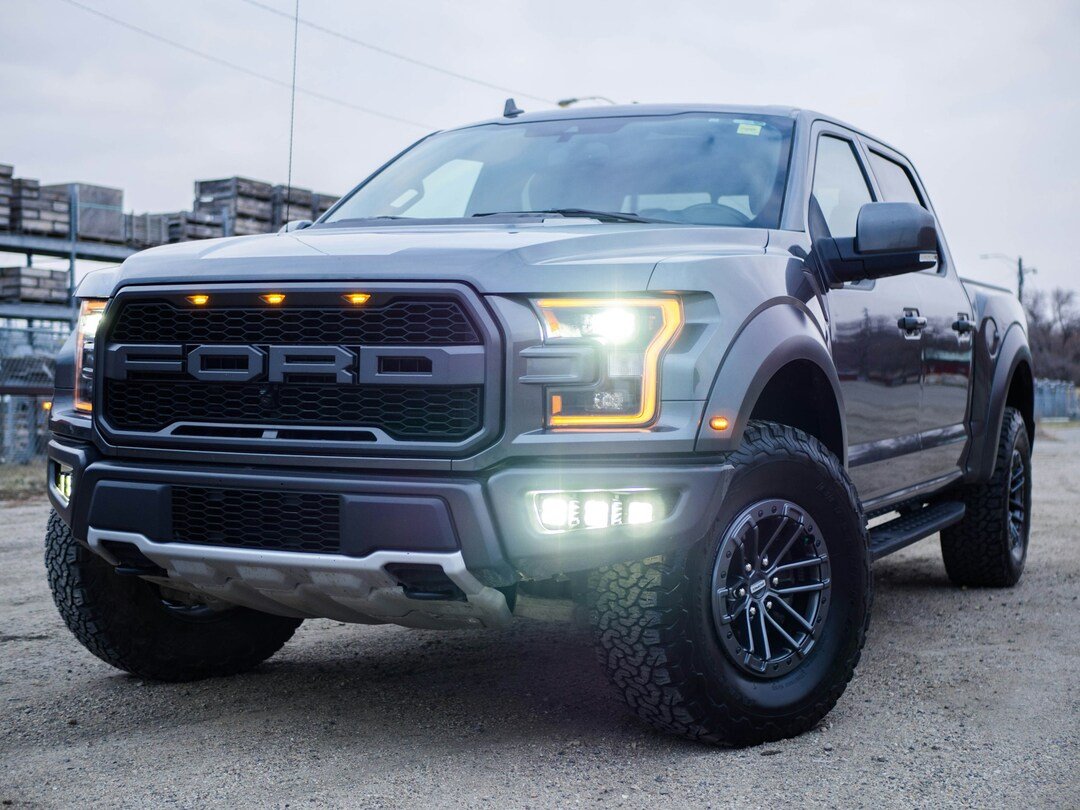
Ford issued eight separate recalls affecting over 650,000 F‑150 trucks across multiple model years, including those for belt mechanisms and electrical systems. The most concerning involved seat belt failures that could increase injury risk during collisions. Additionally, electrical problems caused dashboard warning lights to malfunction, potentially masking other issues. These recalls demonstrate ongoing challenges in modern pickup truck complexity. Each car owner received individual recall notices through manufacturer notification systems.
F-150 recall highlights include:
- Seat belt buckle failures are preventing proper restraint system operation during crashes.
- 12-volt battery degradation is causing unexpected power loss and vehicle shutdown.
- Windshield wiper motor failures reduce visibility during adverse weather conditions.
- Fuel pump defects potentially cause engine stalling while driving.
- Transmission control software requires updates to prevent shifting problems.
Mustang Mach-E
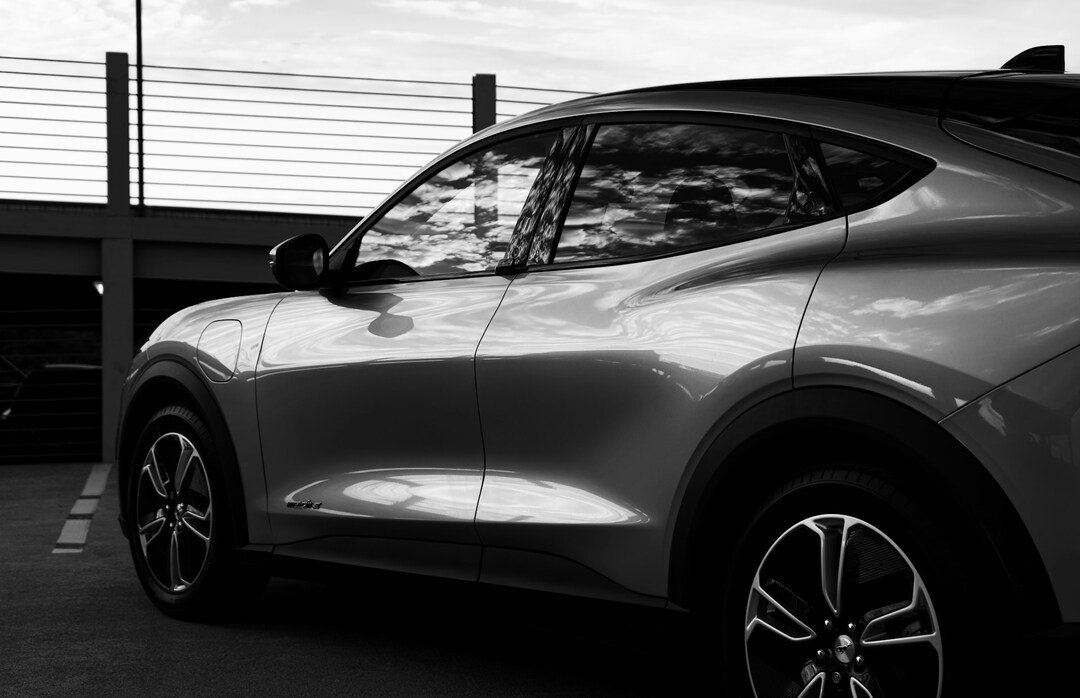
Ford's electric SUV, the Mustang Mach‑E, underwent six significant recalls affecting over 317,000 vehicles, including serious incidents where door latch malfunctions could entrap occupants if the 12‑volt battery power dropped. A Ford spokesperson told CBS News that “we are not aware of any injuries” and that the automaker is issuing a software update to resolve the issue.
Mach-E specific recalls encompass:
- Electronic door latch failures can trap occupants when vehicle power systems fail.
- High-voltage battery overheating during DC fast charging or aggressive acceleration events.
- Park rod assembly defects are preventing proper engagement of the parking mechanism.
- LED headlight failures are causing a complete loss of illumination systems.
- Software update errors affecting various vehicle control systems require dealer intervention.
Toyota Tundra & Tundra Hybrid
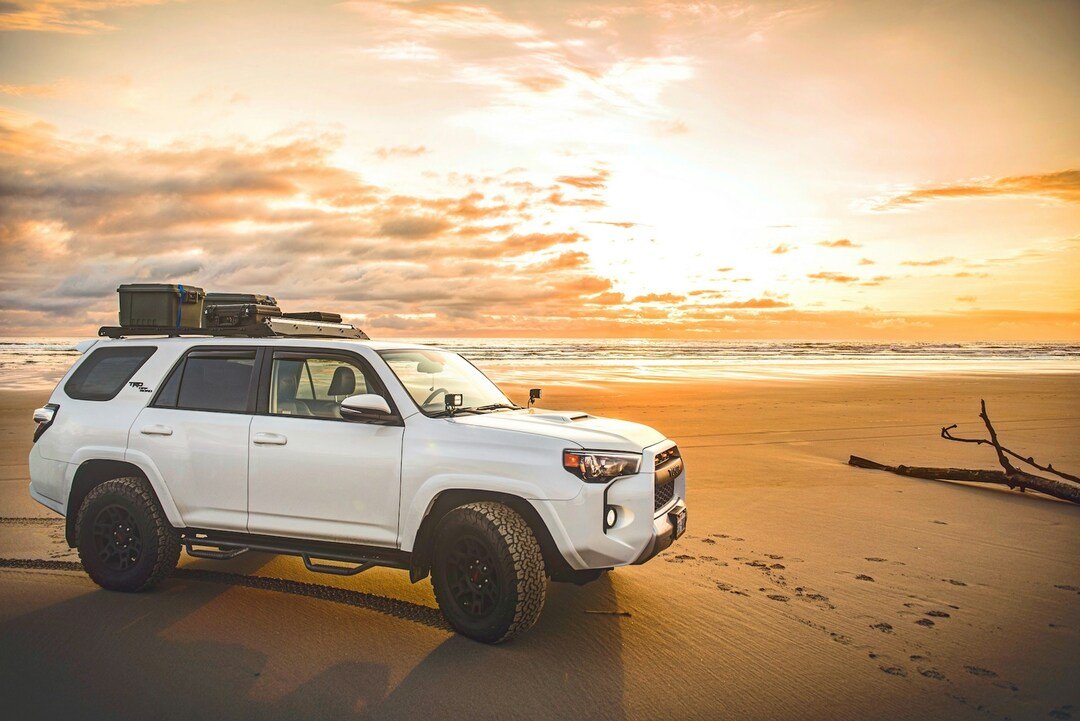
Toyota's flagship pickup encountered significant issues with reverse lighting systems affecting 443,444 vehicles, according to Toyota’s May 2025 press release on its official newsroom. Moisture intrusion caused both reverse lamps to fail simultaneously. This created hazards during backing maneuvers in low-light conditions. The defect stemmed from inadequate sealing in lamp assemblies. Water corroded electrical connections over time. Toyota also addressed engine component concerns in earlier model years.
Tundra recall concerns feature:
- Reverse lamp assembly moisture damage eliminates rear visibility during backing operations.
- Engine bearing wear in certain V6 turbo applications is causing potential motor vehicle failures.
- Transmission software bugs are affecting shift quality and timing in hybrid variants.
- Fuel pump recall type issues are similar to other Toyota models, requiring immediate replacement.
- Electrical harness corrosion extending beyond lamp assemblies into vehicle wiring systems.
Jeep Grand Cherokee, RAM 1500, Nissan Frontier
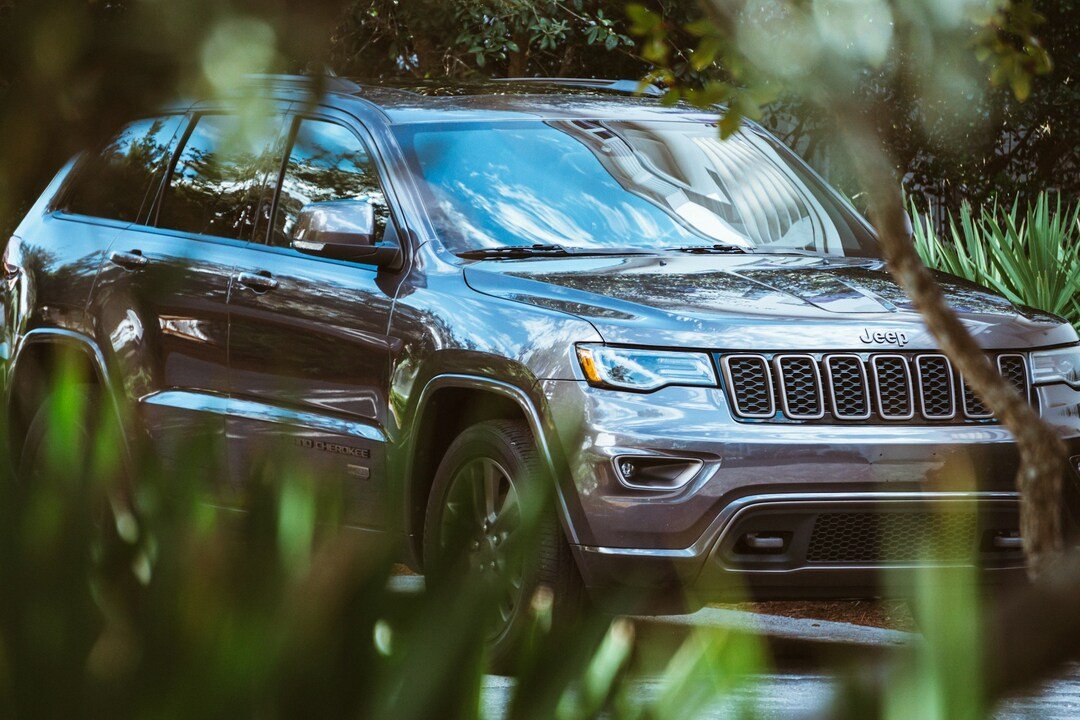
Stellantis models faced diesel engine stalling issues, while Nissan's Frontier shared engine problems with the larger Rogue. The Jeep Grand Cherokee and RAM 1500 with EcoDiesel engines experienced sudden power loss that could cause accidents. Nissan's variable-compression engine technology, while innovative, proved problematic across multiple vehicle lines, including the Frontier pickup truck.
Multi-brand recall issues include:
- Diesel engine stalling in Stellantis vehicles is creating immediate hazards on highways.
- Variable-compression engine failures are affecting Nissan's newest powertrain technology across model lines.
- Emission control system malfunctions require software updates to maintain federal regulations compliance.
- Turbocharger problems in multiple brands are causing reduced power and potential engine damage.
- Fuel system contamination issues are affecting diesel-powered vehicles from various car manufacturers.
Brands With the Highest Recall Repair Completion Rates
Recall completion rates vary significantly among manufacturers. Among automakers with five or more recalls between January 2024 and March 2025, completion rate statistics reveal important patterns. Companies with higher completion rates typically maintain better customer relationships. They have more efficient dealer networks for addressing motor vehicle safety concerns. The car's make and model significantly influence completion success.
| Manufacturer | Completion Rate | Notable Characteristics |
| Gillig, LLC | 100% | Specializes in transit buses with a focused customer base |
| Cummins, Inc. | 95% | Commercial engines with direct customer relationships |
| Kawasaki Motors | 93% | Powersports vehicles with a dedicated dealer network |
| Toyota | 88% | Strong dealer network and customer communication |
| Honda | 85% | Reliable customer notification systems |
| General Motors | 82% | Large volume challenges, but effective outreach |
| Ford | 78% | High recall volume impacts completion efficiency |
A Different Perspective: Are Recalls Always a Red Flag?
Some experts argue that recall numbers can be misleading. Many campaigns, like Tesla’s 5.8M software-related recalls in 2025, are minor updates that don’t affect a vehicle’s core safety or reliability.
However, for most buyers, recall history still matters: many open recalls involve critical systems such as brakes, airbags, and engines. Checking a VIN helps ensure you’re not buying a car with unresolved safety risks.
Which Used Car Recalls Are Still Unresolved in 2025?
Many recalled vehicles remain unrepaired despite manufacturer notification efforts and free repair availability. Current estimates suggest 72.7 million vehicles on American roads have open recalls. This implies one in four cars. Such a backlog stems from various factors. Customer awareness, dealer capacity, and part availability for older model years all affect. Buyers should be particularly cautious of any car with deployed airbags.
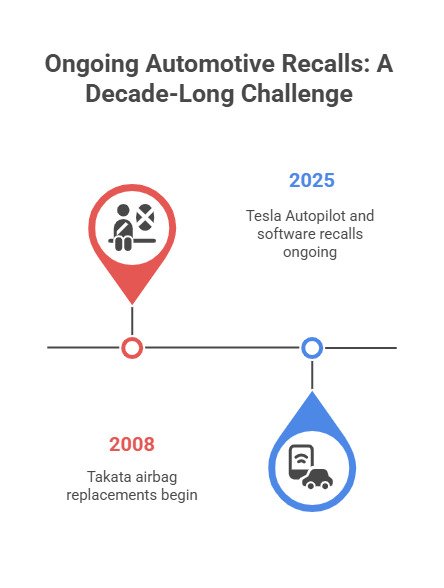
Commonly unresolved recall issues include:
- Takata airbag replacements - Ongoing since 2008; tens of millions of affected vehicles across multiple brands.
- General Motors ignition switch problems - Older model years still requiring attention despite years of availability.
- Ford door latch failures - Spanning multiple model years with varying repair complexity levels.
- Volkswagen Group diesel emissions - Software updates for affected TDI vehicles remaining incomplete.
- Tesla Autopilot and software recalls - Over-the-air updates are not always successfully installed by owners.
Cars With the Fewest Recalls in 2025 (Low-Risk Options)
Certain manufacturers demonstrate fewer recalls. Mazda and Subaru lead with only one recall each in 2025. Mercedes-Benz, Lexus, and MINI historically maintain excellent records. The safest cars often come from manufacturers with conservative engineering approaches and thorough testing procedures. Vehicle manufacture date plays a crucial role in recall risk assessment.
| Brand | 2025 Recalls | Avg Annual Recalls | Reliability Rating |
| Mazda | 1 | 6 | Excellent |
| Subaru | 1 | 8 | Excellent |
| MINI | 2 | 4 | Excellent |
| Lexus | 3 | 7 | Outstanding |
| Mercedes-Benz | 9 | 15 | Good |
| Porsche | 4 | 13 | Good |
Vehicles from luxury brands experience 60% fewer recalls than mainstream alternatives.
How to Check if a Car Has an Active Recall
Use the EpicVIN's VIN decoder tool. Verify recall status before making a purchase. Just enter the 17-character VIN number found on the dashboard, driver's door post, or registration documents. This check a car for recalls process reveals active campaigns, completed repairs, and pending safety issues.
What to Do if a Car You Own or Buy Has a Recall
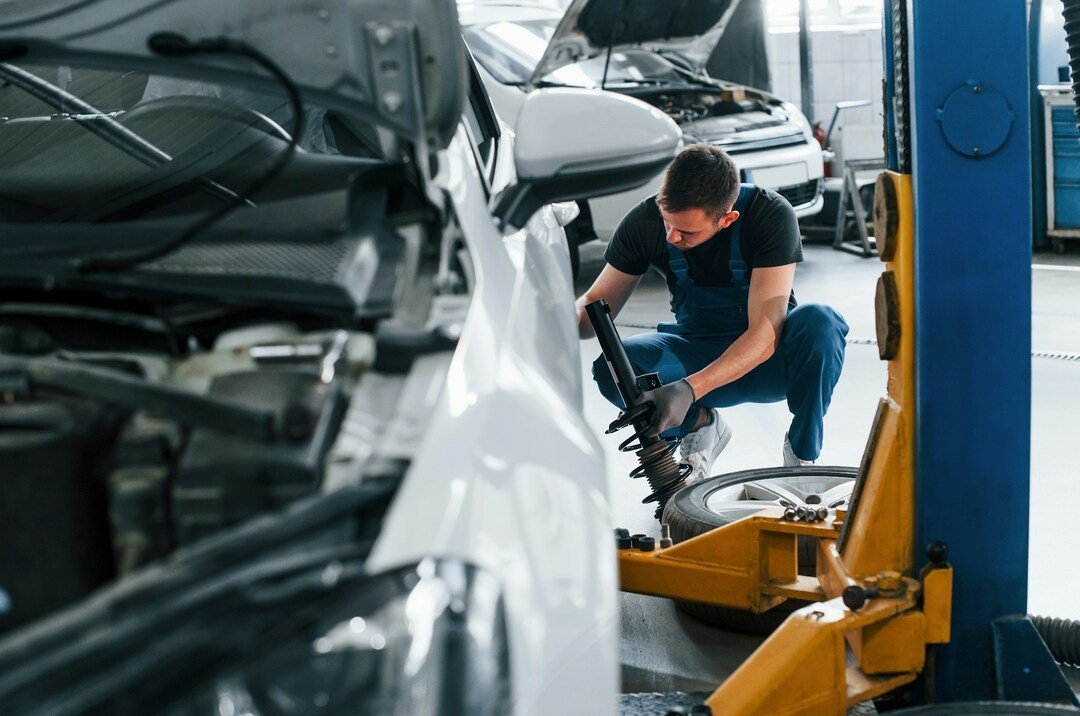
Take immediate action after receiving recall notices. Manufacturers must provide free repairs, replacements, or refunds for recalled vehicles and components. Contact your dealer promptly. Schedule service and follow any interim safety guidance provided in official recall documentation.
- Contact the authorized dealer immediately to schedule recall repair service at no cost.
- Follow the interim safety recommendations provided in the manufacturer's recall notices until repairs are completed.
- Verify repair completion and obtain documentation showing recall work was properly performed.
- Register your vehicle with the manufacturer.
- Keep detailed records of all recall-related communications.
- Check periodically for new recalls using the EpicVIN service.
- Report problems to NHTSA if recall repairs don't resolve the safety issue completely.
Pros and Cons of Buying a Car With a Recall History
Understanding the implications of recall history helps buyers make informed decisions about vehicle purchases and long-term ownership costs.
| Pros | Cons |
| Lower purchase price due to recall stigma | Potential future reliability concerns |
| Recall repairs completed at no cost | Time investment for recall completion |
| Manufacturer's attention to known problems | Possible reduced resale value |
| Documentation of safety issue resolution | Insurance complications in some cases |
| NHTSA oversight ensures proper fixes | Unknown long-term effects of repairs |
Further reading
Summary
Vehicle recalls in 2025 highlight ongoing safety challenges across the automotive industry, with Ford leading in total recall count and Tesla affecting the most vehicles through software updates. While recalls create inconvenience for vehicle owners, they represent important safety mechanisms ensuring federal safety standards compliance. Prospective buyers should research recall history, check completion rates, and verify current recall status before purchasing vehicles to minimize future problems and ensure optimal safety.
Frequently Asked Questions
The Takata airbag recall remains the costliest in automotive history, affecting over 60 million vehicles globally with estimated costs exceeding $25 billion across multiple manufacturers and requiring complete airbag system replacements.
Yes, manufacturers compensate dealerships for recall repair work through warranty reimbursement programs that cover parts, labor, and administrative costs associated with completing safety campaigns and customer communications.
In rare cases, repurchasing becomes necessary when manufacturers cannot develop effective repairs for serious defects. NHTSA may order buyback programs, or manufacturers may voluntarily offer vehicle replacement or full refunds to affected customers. Alternative options include:
- Temporary repair solutions are used while permanent fixes are developed by engineering teams.
- Vehicle replacement programs offering comparable models from the manufacturer's inventory.
- Full refund options based on the current market value minus reasonable usage depreciation.
- Extended warranty coverage for related problems stemming from the original defect.
Yes, vehicles frequently have multiple active recalls simultaneously, particularly for complex models with various systems requiring independent safety updates and repairs from different recall campaigns.
Recall repairs typically don't affect extended warranty validity, though coverage may exclude components already addressed through manufacturer recall campaigns or safety bulletins issued by automakers.