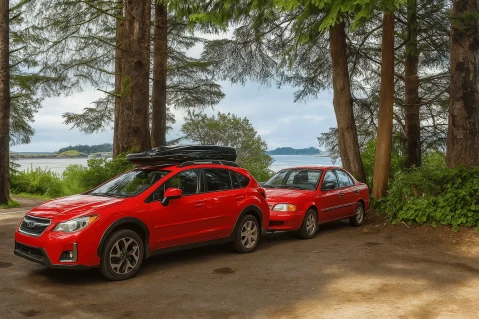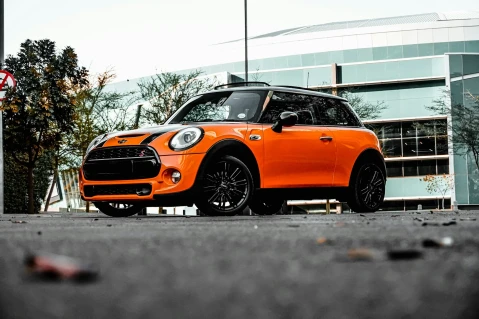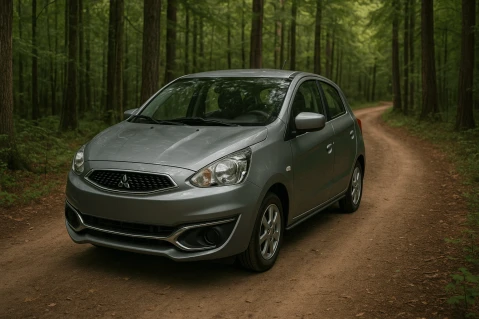

The best cars for seniors are easy to drive. Such vehicles have clear visibility and include navigation. The Honda Fit, Toyota Corolla, and Hyundai Elantra are among the leaders in the target niche. Comfort, simple controls, and high safety ratings are these models’ advantages. Study the following guide that breaks down the top-rated options.
Key Features Elderly Drivers Should Look For
The best vehicles for seniors offer several valuable options. These are wide doors, low step-in height, and easy-to-use controls. New features (backup cameras, lane alerts, and simplified technology) help drivers maneuver with more confidence.
| Feature | Why It Matters for Seniors | Stat or Fact |
| Wide doors | Easier entry and exit | Over 70% of drivers over 65 prefer vehicles with wider openings |
| Standard all wheel drive | Better control in bad weather | AWD reduces winter accident risk by up to 18% |
| User-friendly technology | Less distraction, more focus | 65% of seniors struggle with complex infotainment systems |
| Compact size and turning radius | Easier to maneuver in tight spots | Cars with < 36-ft turning radius rated 4.5★ by senior drivers |
| Adjustable seating & visibility | Reduces strain and improves posture | 82% of seniors report less fatigue in cars with adjustable seats |
Best Sedans for Elderly Drivers
Sedans remain a great option for older adults. It’s due to their smooth ride, lower height, and comfort-focused design. Daily parking and driving in tight spaces may be stressful, especially for older adults. The right body style of a car can help avoid this stress..
- Toyota Camry: Reliable and roomy, with cars with easy access for the elderly.
- Honda Accord: Wide seats, smooth steering, and simple controls.
- Hyundai Sonata: User-friendly tech and soft suspension.
- Nissan Altima: Ideal for city driving, with strong fuel efficiency.
- Subaru Legacy: Standard safety features and all-weather traction.
Best SUVs for Elderly Drivers
SUVs make daily life easier for many older drivers. It’s achieved through their higher seating position, which reduces the need to bend or squat. This helps with joint pain and balance issues. The best SUV for seniors to get in and out of also offers wide door openings and plenty of legroom. Many models include an all-wheel drive option. It adds safety in rain or snow. Driving with grandchildren or other passengers is better in an SUV thanks to its extra space.
Some top pick SUVs for older adults combine comfort, visibility, and easy controls:
- Subaru Forester: Smooth ride and excellent safety ratings.
- Honda CR-V: Roomy seats, simple tech, and low running costs.
- Toyota RAV4: Good visibility and smart storage for everyday errands.
- Ford Escape: A quiet cabin and flexible space for passengers or pets.
Best Minivans and Crossovers for Aging Drivers
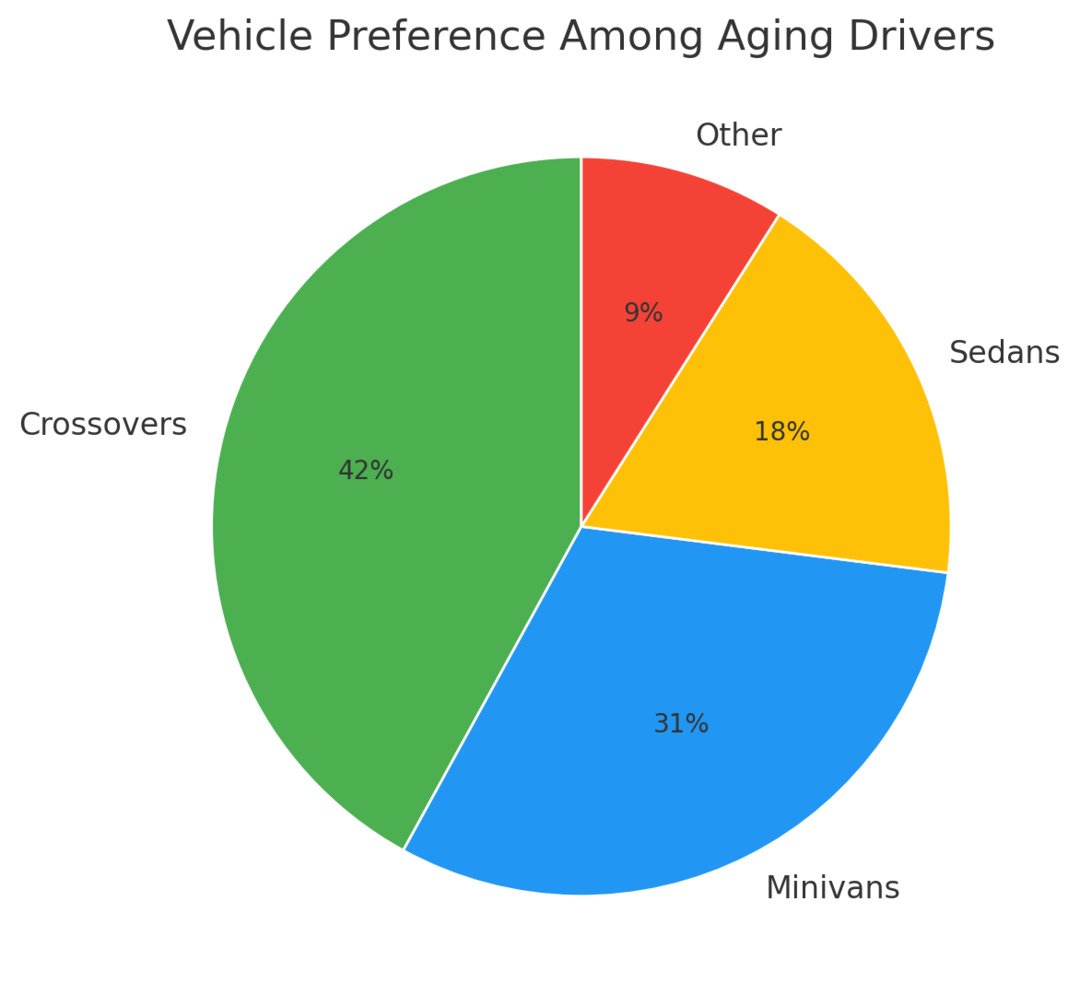
According to EpicVIN data, 42% of drivers over 60 prefer crossovers over sedans. 31% choose minivans for their cargo space and ease of use. 68% say a comfortable ride is their top priority. Thus, simple tech and responsive handling are vital.
- Honda Odyssey: The best car for retirees who need space, comfort, and flexible seating.
- Toyota Sienna: Offers a smooth, comfortable ride and great fuel economy.
- Kia Sorento: A mid-size crossover that can respond well in both town and highway conditions.
- Chrysler Pacifica: Strong cargo space and safety tech even in the base car’s trim level.
- Subaru Outback: Handles like an SUV, perfect for aging drivers who still love adventure.
Best Electric and Hybrid Cars for Seniors
Electric and hybrid models are becoming popular grandma cars. It’s due to their quiet ride, low maintenance, and smooth handling. The Nissan Leaf stands out as a practical electric car with clear displays. The mode is equipped with simple controls that don’t overwhelm. Its quiet cabin and gentle acceleration reduce fatigue during daily trips.
For a hybrid, consider the Toyota Prius. The model is distinguished by its excellent fuel economy, spacious seating for passenger comfort, and intuitive tech. Both models have many benefits. Nonetheless, seniors should consider specific drawbacks when operating these cars. These are, e.g., limited charging stations and learning curves for new features.
Vehicles That Fit a Wheelchair or Mobility Scooter in the Trunk
Some cars offer a roomy interior and large trunk space. Choosing a certified pre-owned vehicle or a new car with folding seats adds extra peace and security. Regardless of driving habits (daily errands and longer trips), these options are essential.
- Chrysler Pacifica: Wide rear opening and flat-fold seats.
- Honda CR-V: Roomy trunk and easy lift height.
- Kia Soul: Compact size with surprising cargo depth.
- Toyota RAV4: Versatile layout and strong resale value.
- Ford Edge: Balanced ride and generous storage behind seats.
Used Cars That Are Still Great for Older Drivers
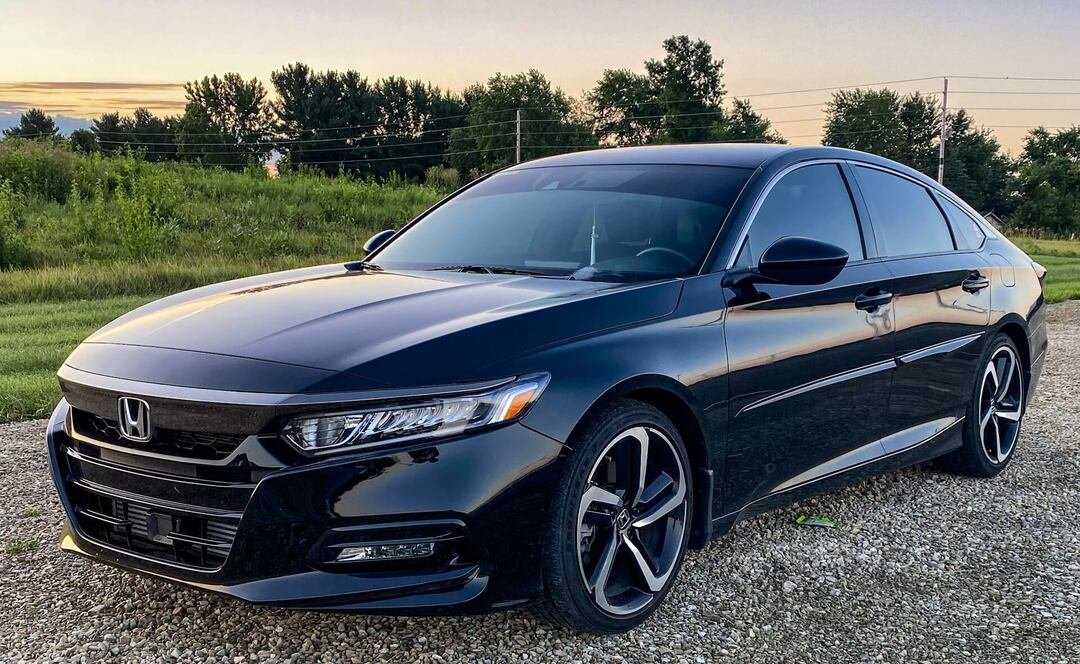
Some used sedans and crossovers from recent years offer nearly the same safety and comfort features as today’s models. Nevertheless, they require fewer costs.
Most older drivers choose similar features:
- Reliability.
- Strong resale value.
- Smooth driving experience.
The 2017 Honda Accord and 2016 Toyota Camry meet these requirements. They both are equipped with rearview cameras, spacious cabins, and easy-to-read dashboards. Their long-term appeal comes from low repair rates and proven performance without wasting money on features seniors may not use.
Entry Height Comparison for Elderly Car Buyers
Entry height plays a major role in comfort and access for aging drivers. Sedans are traditionally considered the safest cars for seniors. However, today, many choose an SUV. This configuration is characterized by upright seating and added cargo space.
| Vehicle Model | Entry Height (inches) | Access Ease Rating (1–5) | Notes |
| Toyota Camry | 15.5 | 4.2 | Lower stance, easy slide-in |
| Subaru Forester (SUV) | 17.7 | 4.6 | Balanced access and visibility |
| Honda CR-V (SUV) | 18.1 | 4.7 | High access, good cargo space |
| Hyundai Sonata | 15.3 | 4.1 | Low step-in, wide door opening |
| Kia Soul | 16.5 | 4.5 | Slightly raised, compact size |
Which Cars Can Be Adapted for Senior Driving Aids?
EpicVIN data shows that over 35% of senior drivers eventually install at least one assistive device in their vehicle. The best low-tech cars for seniors are easier to modify. The reason is that they avoid complex digital systems. Simple gear shifts, large knobs, and wide footwells help install convenient equipment. This concerns pedal extenders, swivel seats, or hand controls.
For these upgrades, minivans and midsize sedans are often preferred. They offer sufficient room for both equipment and passengers. The Toyota Sienna, Honda Accord, and Chrysler Pacifica are among the most adaptable models. They balance safety with flexibility. As a result, such models are practical for aging drivers who don’t want to sacrifice comfort or mobility.
Cars Older Drivers Should Avoid
- Mini Cooper: A small size reduces crash protection despite style appeal.
- Jeep Wrangler: High step-in and rough ride can strain joints.
- Ford Mustang: Sporty handling, but lacks essential safety features for seniors.
- Chevrolet Spark: A tight cabin and limited visibility make it hard to react quickly.
- Older SUVs without modern updates: May be less reliable and miss key driver aids.
- Dodge Challenger: Heavy doors and poor rear visibility challenge older drivers.
These models may look fun or stylish. However, they often lack the comfort, visibility, and safety features older drivers need.
Tips for Seniors When Test Driving a Car

Before getting behind the wheel, review the interior thoroughly. First, take a close look at how easy it is to adjust the seat. Then, read the dashboard. Don’t forget to check blind spots. Also, consider bringing someone with you. Another person can help notice comfort or handling issues. Don’t forget to apply a VIN decoder and request a full vehicle history report.
Further reading
Summary
Choosing the best cars for seniors involves selecting specific features. These are safety, comfort, and ease of use. Regardless of the model’s age, consider one with relevant options, such as wide door openings, simple dashboard layouts, and essential features (rearview camera, responsive brakes, etc.). Test how the wheel feels in your hands. Make sure visibility is clear. Additionally, checking the vehicle’s history is a vital step. The right car helps seniors stay confident, independent, and comfortable.
Frequently Asked Questions
Reaction time and vision inevitably decline as people age. This increases the risk of collisions. Insurers factor in medical costs and the likelihood of filing a claim. Higher premiums start around age 70.
Yes. Vehicles with automatic transmission reduce physical strain. They eliminate the need to shift gears manually.
Frequent close calls, dents, confusion in parking lots, or difficulty following traffic signs are evident red flags. A conversation becomes necessary if these patterns affect overall safety.
For purchasing new models with updated features, leasing may be suitable. Short distances aren’t relevant. For long-term savings and fewer restrictions, simple buying is a better option.
As a rule, this should be a seat height between 18 and 22 inches off the ground. Easier movement when getting in or out offers a clear view of the road and reduces strain.