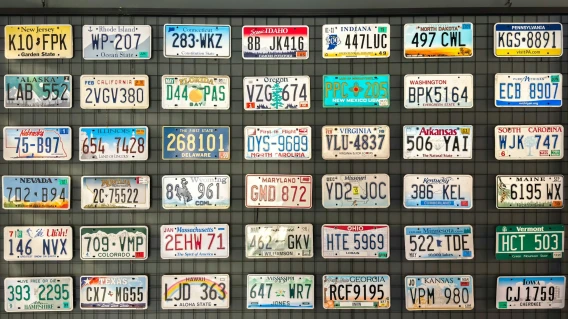

A license plate lookup lets you identify a vehicle’s VIN and check title brands, accidents, theft records, and recalls. Most tools start with a free VIN match and offer deeper history in paid reports. To reduce risk even further, it’s wise to check vin number once you have the identifier, confirming key details across multiple databases. Use them to screen vehicles before meeting sellers, verify what you're told, and avoid costly surprises.
What Is a License Plate Lookup and Why Should I Use It?
A vehicle license plate lookup turns a plate into a VIN. It returns core vehicle details tied to a license plate number. With a quick search, you can identify risks before meeting sellers. These tools compile data from auctions, insurers, agencies, dealers, and repair networks to build a preliminary report. It’s a completely legal screening that complements a paid vehicle history report and helps customers stay confident when checking a car online or in person, fully accessible.
Use a license plate search when:
- You want fast verification of specs, registration, and ownership clues.
- You need maintenance history and accident signals before ordering a paid report.
- You’re checking safety campaigns or emissions rules.
- You want rough market value ranges and sale history.
- You’re confirming whether a vehicle was reported stolen.
What Can You See from a Plate Lookup?
A license plate query returns details anchored to the VIN: basic specs, partial ownership timelines, and brand indicators. You won’t see the owner’s name or address, but you’ll get practical records to screen a car before paying. Treat the license plate check as step one; if anything looks odd, upgrade to a paid vehicle history report for detailed information. This is also a straightforward way to start vehicle info by license plate when you need speed.
| Category | What you’ll usually get | Where it comes from | Free or Paid |
| VIN & basic specs (make, model, year, trim) | Core vehicle details | OEM decoders, official files | Often free preview |
| Title brands (rebuilt, salvage title, flood) | Whether a brand exists; sometimes dates | NMVTIS/insurer/auction records | Typically, in paid reports |
| Accidents | Counts or indicators; sometimes severity | Insurers, police, auctions | Usually paid |
| Odometer snapshots | Mileage points; rollback flags | Auctions/maintenance records | Usually paid |
| Ownership changes | Number of previous owners; dates | State title events, auctions | Often paid |
| Liens | Open lien/secured interest | Lender files/state filings | Usually paid |
| Recall status | Safety campaigns | NHTSA | Often no charge |
| Registration region | State/city where vehicle was registered | DMV records | Mixed |
| Current value | Price range, comps | Aggregators, listings | Mixed |
| Theft checks | Reported stolen indicator | NICB VINCheck | No charge |
Free License Plate Lookup vs Full Vehicle History Report
A totally free license plate lookup is a quick screen. A paid vehicle history report digs into records, accidents, odometer, title, service history, and liens, so you can act confidently.
Vehicle Specs and VIN Details
The first win from a license plate tool is retrieving the VIN. That unlocks build details, engine, transmission, and equipment. Use free VIN check tools at NHTSA for safety campaigns, and check NICB. Compare the decoded model and features against photos. If vehicle information doesn’t match the car in front of you, it may be a miskeyed license plate number or a weak database match, resolved by a careful license plate search and visual confirmation.
Vehicle Title
Title data reveals ownership and legal status. A license plate number linked to the VIN can expose brands like salvage, rebuilt, flood, or lemon. Third-party service tools show brand indicators; official copies give definitive proof. Title events show when the vehicle was sold, where it moved, and whether there’s a lien. You won’t see a person’s name or address, but you can still identify flags that matter to drivers, sellers, and customers.
| Title Element | What it Tells You | Why It Matters |
| Brand (e.g., salvage) | Prior damage/total loss | Impacts market value and insurability |
| Lien records | Loan outstanding | Title may not transfer cleanly |
| Transfers | Ownership across jurisdictions | Possible brand “washing” risk |
| Duplicate/corrected | Title replaced | Could be fraud or a legit correction |
| Date issued | Timeline of ownership | Confirms the historical sequence |
Ownership Changes and Sales History
“Ownership changes” track the vehicle as it moves among vehicle owners or sellers. A paid report often shows the total previous vehicle owners and dates. Many flips in a short time can signal hidden damage or unresolved issues. A long single-owner’s tenure may be positive. Cross-check dates, mileage records, and service history to ensure the vehicle wasn’t cosmetically refreshed and flipped.
Odometer Records

Mileage snapshots appear when a plate or VIN hits auctions, inspections, or service lanes. Compare each reading with the seller documents. If numbers drop backward, consider rollback risks. Older motor vehicles may be “exempt,” interpreted by official rules and year. Pair readings with oil-change stickers and invoices to confirm history.
- Seek steady growth matching normal annual miles.
- Beware sudden drops after a sale.
- Verify analog versus digital gauges.
- Match readings to title renewals.
- Confirm auction records when the vehicle was purchased.
Manufacturer's Recall Notices
Recall checks are easy via NHTSA. Enter the vehicle identification number to see unrepaired recalls, then call a dealer for a no-cost fix. Some plate tools mirror this data, but the official feed is the source of truth. Combine these checks with your license plate search so you don’t miss specific campaigns influencing safety and value.
| Tool | What You Get | Where to Check |
| NHTSA portal | Official safety campaigns for that vehicle | Check for recalls |
| OEM dealer | Repair scheduling and parts status | Call your dealer |
| SaferCar app | Alerts tied to your VIN | Vehicle safety |
Emission Inspection Results

Many states require emissions (I/M) tests. A license plate lookup may show hints, but official results live in state systems. The EPA outlines where I/M applies and how programs work; your state site lists locations and schedules. Emissions status affects title renewal and local demand.
- Verify whether your state requires I/M via the EPA overview.
- Check due dates during title renewal.
- Match test mileage against your report.
- Keep certificates for future vehicle owners.
- Re-test promptly after repairs to keep your history clean.
Private Information That Plate Lookups Won’t Show
You won’t see an owner’s name, address, or phone. Privacy rules keep personal data sealed; plate tools return vehicle facts and public-interest records only.
How the DPPA Limits What You Can See
The Driver's Privacy Protection Act limits the disclosure of personal information from motor vehicle records. License plate tools can’t show the owner’s name or home address. You can still access records like title brands, damage indicators, and certain title facts. Misuse can bring fines. Stick to legal purposes.
- Personal identifiers are protected.
- Exceptions are narrow and regulated.
- Commercial resale of driver data is controlled.
- Misuse can trigger civil or criminal penalties.
- You can request your own file from the DMV.
Permitted vs Prohibited Use Cases
License plate lookups must be lawful. Use them for vehicle due diligence, lien/tow records, or verifying title transfers. Don’t stalk or dox drivers. For certified copies, request records from your DMV office; some requests require identity checks or a specific account. It’s smart to visit your DMV site first.
| Use Case | Permitted? | Notes |
| Buying a used vehicle | ✅ | A classic permissible use |
| Checking safety campaigns | ✅ | Use NHTSA/NICB; both are at no cost |
| Marketing lists of drivers | ❌ | Prohibited by law |
| Getting someone’s address | ❌ | Protected personal data |
| Insurance/claim verification | ✅ | Allowed for regulated entities |
How to Convert Plates to VINs with Lookup Services
Most tools translate a license plate into a VIN, then unlock fuller history. If you’ve wondered, “Is there a way to look up a license plate and get the VIN?”— yes. Use a legit license plate lookup from the list below. If a license plate number fails, read the windshield VIN or door-jamb label, then continue your search.
- Enter the license plate number and state.
- The service queries its database and data sources to return a VIN.
- Run basic NHTSA recalls on that VIN.
- Run NICB for stolen or rebuilt title markers.
- Order a paid report if any details look off.
Top License Plate Lookup Tools You Can Trust
Below are trusted options. Note what’s free versus paid and key features. Some tools focus on safety recalls and title brands, while others add auction photos, mileage history, or lien records. Use this list to compare what's included in free previews versus paid reports, understand how fast each tool returns results, and choose the right option for your needs, whether you're buying from a dealership, a private seller, or an online auction. Prices change, so confirm before you pay.
Official DMV Portals
Most DMVs sell certified records and abstracts for a fee; online forms vary by state. These are authoritative but slower. Check your site’s instructions before you visit a counter. For example, the California DMV offers official vehicle registration records through its “Request Your Own Driver or Vehicle Record” service, which includes title transfers, lien information, and registration status.
NHTSA Recalls by Plate or VIN
Use the vehicle identification number to check for safety campaigns; it’s official and updated. Some tools convert license plate → VIN first; paste the VIN into NHTSA’s portal or SaferCar for alerts. Expect accurate safety visibility.
NICB VINCheck for Theft and Title Branding
NICB provides a VIN search for theft and total-loss/salvage indicators. It’s a trusted screen before you buy a full report. Pair NICB with NHTSA to cover safety and loss history efficiently. The majority of vehicles return clean title results, but around 3–7% may show critical issues like theft, salvage, or total-loss records. This quick, no-cost check helps buyers avoid serious red flags early in the process.
EpicVIN
EpicVIN offers free previews for vehicle details/VIN checks and paid history report packages. Paid items may include accident indicators, title brands, odometer records, safety campaigns, and ownership changes. The preview is a start; buy deeper records if needed. EpicVIN’s license plate lookup tool works across all U.S. states and is powered by NMVTIS data, auction sources, and insurance records. In most cases, the license plate is matched to the VIN instantly, helping you uncover hidden issues before committing to a purchase.
Vininspect
VINinspect provides a pre-check, then paid reports with vehicle history items like title brands, accident indicators, and mileage records. Compare the preview with the purchased report to understand the difference before spending.
LookupAPlate
LookupAPlate is a community license plate search with user submissions. It’s free, but not an official database. Treat it as context; verify serious findings with an authoritative report, NHTSA, NICB, or your DMV office. This service enables you to search any U.S. state plate number at no cost, view vehicle specs, recall history, and, uniquely, allow users to upload comments, photos or videos about observed driving behavior.
VINCheck Info
VinCheck.info offers basic VIN and license plate tools with specs and basic vehicle history insights. Use it for additional information, then confirm critical details with official portals and, if warranted, a paid report.
FAXVIN
FAXVIN provides a decode from the VIN or license plate, with paid reports covering damage, title brands, odometer, and title changes. The preview verifies specs; deeper records require purchase.
Bumper
Bumper aggregates data from auctions, insurers, and listings. A paid plan unlocks accident history, title brands, value, and more. Use the preview to see available details, then decide whether a paid report fits your process.
BeenVerified
BeenVerified includes license plate/VIN lookups within a membership spanning public-records search types. Treat it as a convenient context. Verify vehicle facts with official sources before spending on a private-party car.
AutoCheck
AutoCheck sells paid vehicle history reports with strong auction coverage and damage signals. There’s no full free report, though previews exist. Pair it with NHTSA/NICB for safety and loss checks.
Step-by-Step: Running License Plate Lookups in the Right Order
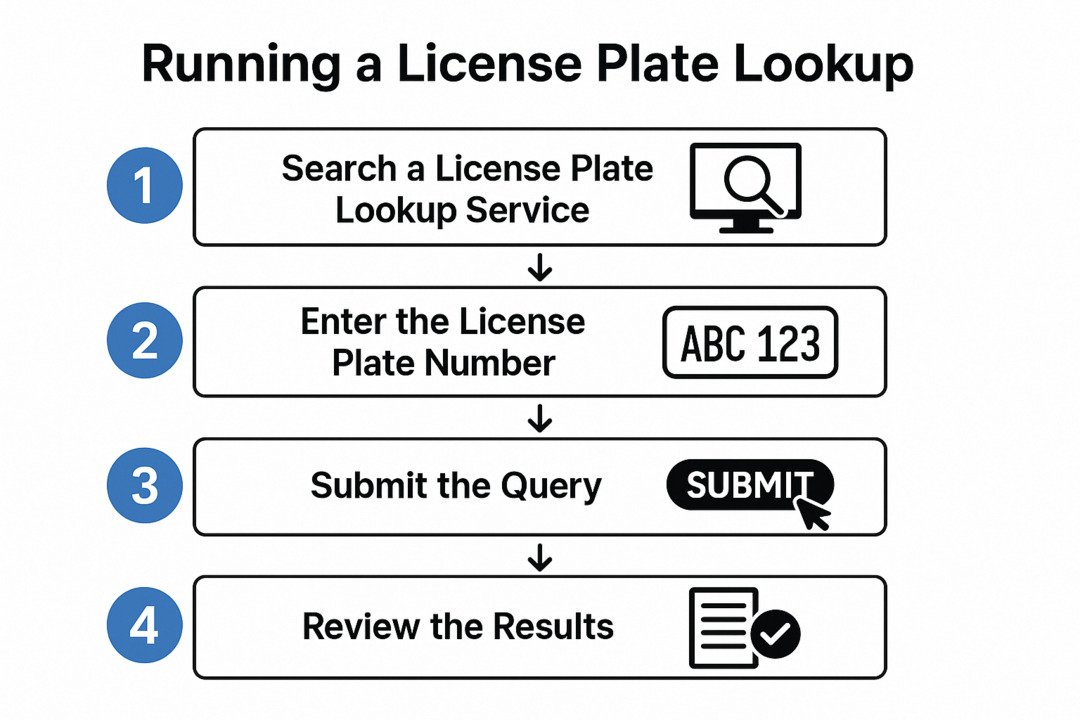
Start basic, then escalate. This reduces cost, improves outcomes, and mirrors how careful drivers and sellers evaluate a used vehicle.
- Plate → VIN with your chosen service; confirm model and build details.
- Run basic NHTSA recalls (safety first).
- Run NICB VINCheck for theft or salvage markers (no charge).
- Check state I/M (emission) obligations and timelines.
- If anything looks off, buy a complete vehicle history report to see records: accidents, odometer, liens, service history, and pricing inputs.
Do License Plate Lookups Work for Motorcycles, ATVs, or RVs?
Yes, if the state issues a license plate and the database maps it to a VIN, your search can return vehicle details. Coverage varies by state and class (motorcycles, trailers, RVs). You’ll get the best results from the printed VIN on frames or placards, then check for safety campaigns and vehicle history as you would for a car. Be mindful of vanity plates, which sometimes confuse automated parsers expecting standard formats.
Warning Signs a Free License Plate Lookup Can Reveal
| Signal | What It Could Mean | Next Step |
| Missing VIN match | Weak database link; wrong plate number or state | Re-enter plate/state; read windshield VIN |
| Title brand ping | Possible salvage/flood | Order a paid vehicle history report |
| Odd mileage pattern | Rollback risk | Compare auction/service records |
| Frequent ownership flips | Problem vehicle | Inspect, request maintenance records |
| Open recalls | Safety work pending | Schedule dealer repair (no charge) |
Why Some License Plates Return No Results
- New registration has not yet been posted to the public portals.
- Temporary tags (paper plate) aren’t exposed in many record feeds.
- Older vehicle with limited digital history.
- Typo in license plate number or wrong state.
- Private-sale cars never hit auctions or major data sources.
- A stolen license plate recently reported can create mismatches or blocks until the case is resolved.
Temporary Tags: Why They’re a Blind Spot in Lookup Tools
Temporary plates often don’t resolve to a stable VIN in third-party systems. Paper tags expire quickly and aren’t always shared across feeds. That means your license plate search may fail even when the vehicle is legitimate. Ask for the permanent registration or the VIN from the dashboard or door label. If the seller refuses, walk away. When you destroy old plates, follow your local rules to prevent cloning or misuse. It’s a simple step that avoids headaches.
Can a License Plate Lookup Help You Estimate a Car’s Value?
Yes, indirectly. Once you have the VIN, valuation tools generate value ranges based on model, trim, mileage, region, and history (brands, accident count, maintenance information). Treat this as guidance, not gospel.
- Compare sales records.
- Adjust for safety campaigns and pending service.
- Discount for title brands (salvage/rebuilt).
- Factor in local emissions rules that influence demand.
- Use valuations after checking photos and paperwork, including the car history by the old license plate, if available.
Summary
A license plate lookup turns a plate into a VIN and surfaces early details. Start with basic checks, then buy a thorough vehicle history report if anything seems off. Respect privacy, stay legal, and verify with state records when needed. Done in the right order, this process reveals title brands, liens, mileage anomalies, and accident history before you commit, helping drivers, customers, and dealers safeguard themselves and find the right next car. It’s also how to look up a license plate number for free effectively.
Frequently Asked Questions
Yes. Indicators live in vehicle history records, not only active registration.
Yes, some show brand flags at a high level, but the complete chain is usually in a paid report.
Plate cloning happens. Use multiple checks to ensure the vehicle matches the plate and the VIN.
- Compare the plate → VIN output with the windshield VIN.
- Check the registration card against vehicle details.
- Use NICB to screen for loss or theft.
- Keep receipts; in case of suspicion, contact the police.
- Document everything for DMV follow-up.
Yes. Masking a plate in photos is generally legal and helps safeguard privacy.
Not directly. Personal events aren’t public. However, lien and title records in a paid report can imply repossession, for instance, a lender's ownership transfer.