
You don’t need a driver’s license to legally own a car in the United States, but that’s only part of the story. While the purchase itself is allowed in all 50 states, what happens after you sign the paperwork is where things get complicated. Without a license, you can’t drive the car off the lot, register it in your name without extra steps, or insure it under your own policy without designating someone else as the primary driver. That’s why people in this situation, whether buying for a teen, storing a future investment, or managing a business fleet, need to plan every detail in advance. Before finalizing the deal, using a license plate lookup can help you verify the vehicle’s background and avoid inheriting legal or ownership issues. This guide walks you through those decisions so you don’t end up with a car you can’t legally use or protect.
Is It Legal to Buy a Car Without a License in the U.S.?
Buying a car without a license is perfectly legal. No federal laws require a valid driver's license to buy a vehicle. However, you may face certain limitations. Some dealerships and private sellers may have internal policies. Additional documentation or co-signers may be required. Furthermore, only licensed drivers can legally drive motor vehicles on public roads.
Legal considerations when buying without a license:
- Car ownership is separate from driving privileges.
- Registration requirements vary by state, but don't require a license.
- Car insurance coverage can be obtained without a valid license.
- Some states require alternative forms of identification.
- Co-signers may be needed for financing agreements.
Common Reasons for Buying Without a Driver's License
Several reasons explain why people buy a car without a license, ranging from practical needs to investment opportunities and possible scenarios involving family situations.
Gifting a Vehicle
Parents frequently buy cars for their teenage children. This helps secure financing and car insurance. The newly purchased car sits ready for when the young driver passes their test and can legally drive.
Gift purchases also occur when family members purchase cars for relatives who have lost their licenses. This may be due to medical conditions or age-related concerns. Such transactions ensure reliable transportation remains available once driving privileges are restored. After that, relatives get the vehicle delivered to secure storage.
Car Collectors and Enthusiasts
Automotive enthusiasts often buy classic or specialty cars as investments. These collectors may have suspended licenses or medical restrictions. Some simply prefer not to drive their dream car collection. The car-buying process for collectors focuses on specific factors. Buyers consider the car's condition, provenance, and potential appreciation. Many collectors employ personal drivers or limit their cars to private property use where no license needed to drive applies. Some enthusiasts buy multiple cars annually, building portfolios that appreciate over time. Using a VIN decoder becomes crucial for collectors to verify authentic car specifications and history.
Benefits of collecting without a driver's license:
- No pressure to drive expensive or rare cars.
- Focus purely on investment potential and condition.
- Ability to store vehicles in climate-controlled facilities.
- Reduced car insurance costs for non-driven cars.
- Access to exclusive collector car markets and cars with no licence required.
Fleet or Business Ownership

Business owners regularly buy vehicles without valid driver's licenses for company fleets. These transactions serve business purposes where employees or contractors operate the cars. The business owner handles financing, car insurance, and registration, while designated drivers handle daily operations. Corporate vehicle purchases often involve bulk transactions and specialized commercial auto insurance policies. Many companies that provide financing for fleets understand these arrangements.
| Business Vehicle Scenarios | Requirements | Benefits |
| Delivery Fleet | Commercial insurance, multiple drivers | Tax deductions, business asset |
| Rental Business | Commercial licensing, liability coverage | Revenue generation, depreciation |
| Executive Transport | Professional drivers, premium car insurance | Company prestige, employee benefits |
| Construction Equipment | Specialized permits, operator certification | Project efficiency, equipment ownership |
Teens and First-Time Drivers
Young people approaching driving age often receive cars before obtaining a driver's license. Parents purchase vehicles early to secure better financing terms or find specific models. This allows families to complete paperwork, arrange auto insurance, and prepare the car. After these procedures, the teen can learn how to get a driver's license without a car ownership complication. Some parents prefer buying used cars at favorable prices rather than waiting for their child to get a license. The registration process can be completed while the teen studies. A vehicle history report helps parents make informed decisions about safety and reliability for their new driver.
Advantages of teen car purchases:
- Time to research and find the best deals.
- Opportunity for mechanical inspections and repairs.
- An auto insurance policy set up with a family member as the primary driver.
- Gradual introduction to car ownership responsibilities.
- Avoiding rushed buying decisions under time pressure.
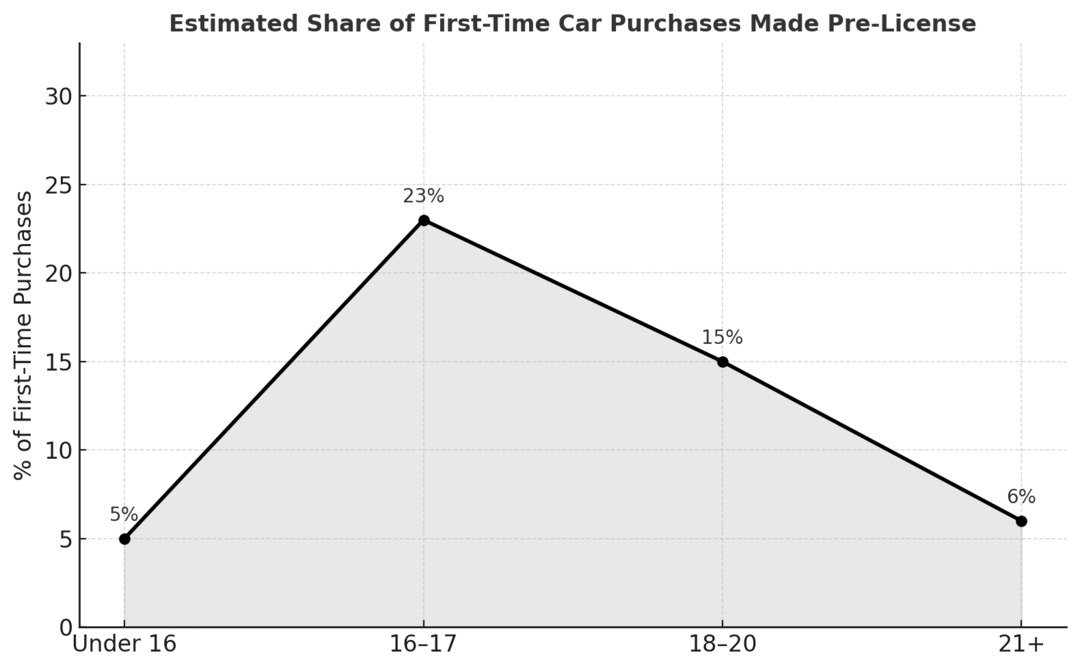
The chart shows that 23% of first-time car purchases by 16–17-year-olds are made before getting a license, more than any other age group. This highlights a common trend where parents buy cars in advance to secure financing, prepare paperwork, and ease the transition into driving.
How to Buy a Car Without a License Step-by-Step
The procedure of buying without a license requires additional preparation. The basic algorithm remains similar. However, you'll need alternative identification and may require co-signers for financing. Most dealerships accommodate unlicensed buyers, though some private sellers might be hesitant. Having proper documentation ready streamlines the transaction significantly. Consider having a licensed driver accompany you to handle vehicle delivery logistics. Many dealerships offer vehicles you don't need a license for.
Step-by-step buying process:
- Obtain a state ID or photo identification as a license alternative.
- Research auto loan options and loans with no driver's license policies.
- Arrange for a licensed driver to conduct a test drive on your behalf.
- Prepare additional documentation.
- Complete bill of sale for a vehicle.
- Arrange car transportation or have a licensed driver move the car.
- Register a new vehicle using photo ID and proof of ownership.
- Secure financial coverage with a family member as the primary driver.
Buying a Car With a Suspended or Revoked License
Individuals with suspended licenses can still buy vehicles legally. However, you cannot test drive the car personally and will need alternative transportation arrangements. Most insurers will still provide coverage. At the same time, rates may be higher for insurance without a license.
Having a suspended license complicates but doesn't prevent car purchases. Work with dealerships experienced in these situations and consider having a co-owner with a valid license assist with the transaction and ensure proper car financial coverage arrangements.
Using a Learner's Permit Instead of a Full License
A learner's permit often suffices for car purchases. It provides necessary identification and proves driving eligibility. Most dealerships accept learner's permits for vehicle transactions. However, financing may require additional documentation. The permit holder typically needs a licensed driver present for test drives and vehicle pickup. Car insurance companies typically cover learner's permit holders under family policies. Some states have specific requirements for permit holders buying vehicles independently. Using a car's title and registration documents, permit holders can complete ownership transfers with proper supervision.
Learner's permit purchase considerations:
- Licensed supervisor required for test drives and vehicle transport.
- Insurance coverage is typically under a family member's policy.
- May need a co-signer for auto loan agreements.
- New car registration accepts a learner's permit as a valid ID.
- Some dealerships prefer additional identification backup.
Can You Test Drive a Car Without a License?
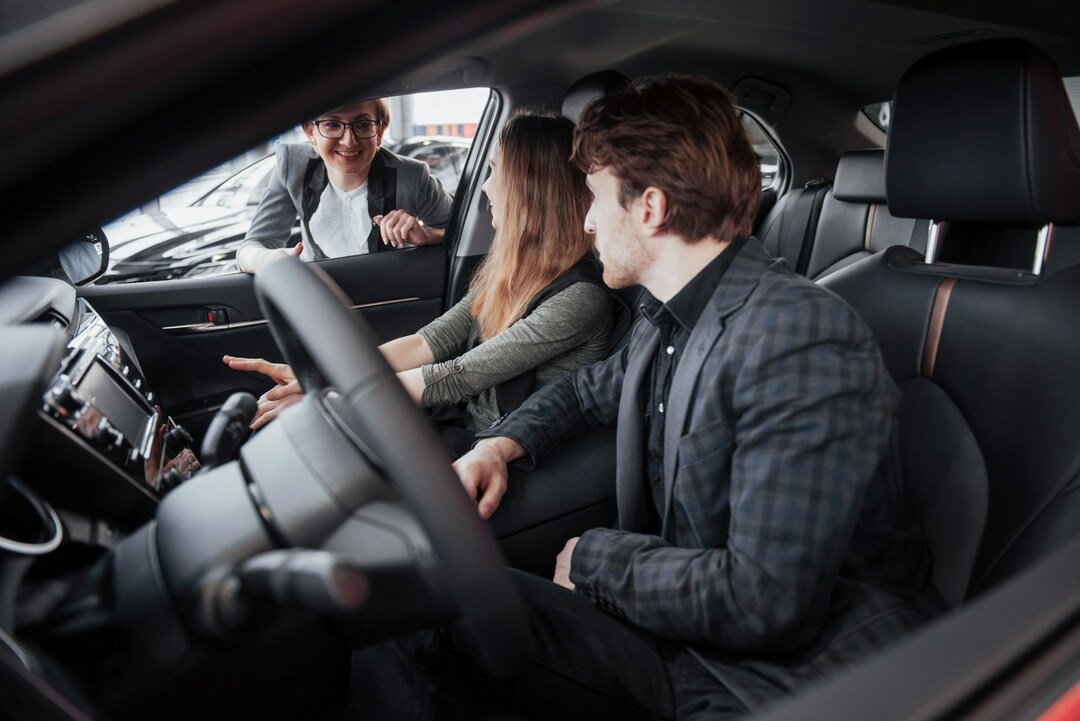
Test driving without a license is inadvisable. Dealerships prohibit unlicensed individuals from test-driving vehicles. It's due to car insurance and liability concerns. However, you can arrange for a licensed driver to drive on your behalf while you observe.
Some dealerships offer virtual tours, detailed inspections, or extended return policies. These all help unlicensed buyers make informed decisions. Consider bringing a knowledgeable licensed driver. They can evaluate the new car's performance and provide feedback. This is especially important when considering buying a CPO car that requires a thorough evaluation.
What If You're Buying But Not Driving? Red Flags to Watch
Legitimate purchases by unlicensed individuals are common. However, some situations raise red flags. Be prepared to explain your purchase reasons clearly. Provide documentation supporting your story. First, honest communication prevents misunderstandings. Some dealerships require additional verification. Maintaining transparency protects both parties' interests. Therefore, always be prepared to explain legitimate ownership needs.
Potential red flags:
- Paying exclusively in cash for expensive cars.
- Refusing to provide contact information or references.
- Requesting immediate delivery without proper documentation.
- Avoiding questions about intended vehicle use.
- Insisting on completing transactions away from official locations.
- Declining vehicle history reports or inspections.
- Attempting to sell a car with a lien without proper lender authorization.
Ownership vs. Registration vs. Insurance
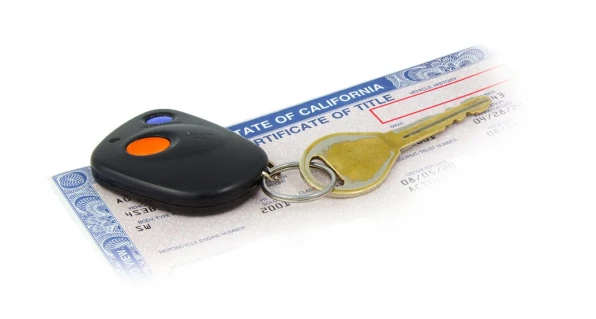
Grasping the distinctions between these terms helps navigate purchases without a license. Vehicle ownership establishes legal title and property rights. It requires proof of purchase and proper documentation. Registration creates a legal record with the state. It enables lawful operation on roads using a photo ID instead of a driver's license. Financial coverage protects against financial liability and property damage, with most insurance companies offering policies for unlicensed owners when a licensed driver is designated as the primary operator. Many people need to insure vehicles they cannot personally operate, creating specialized insurance without a license for market segments.
| Requirement | License Needed | Alternative Options | Key Considerations |
| Ownership | No | State ID, photo identification | Proof of buying required |
| Registration | No | Alternative forms of ID | Varies by state laws |
| Insurance | No | Licensed primary driver needed | Higher rates possible |
| Financing | Usually No | Co-signer, additional documentation | Credit check required |
| Test Driving | Yes | Licensed representative | Liability concerns |
Understanding personal finance implications helps buyers make informed decisions about cars. The insurance company typically requires detailed information about primary drivers and car usage patterns. Insurers offer specialized products for unlicensed vehicle owners, though these policies often carry higher premiums.
Summary
You can absolutely buy a car without a license throughout the United States. The process involves additional steps and documentation. Nonetheless, legitimate purchases are common and legal. You may be buying for investment, gifting to family members, or preparing for future driving. Anyway, proper planning ensures a smooth transaction. Focus on securing proper identification, arranging licensed assistance for test drives, and understanding car insurance requirements. Work with experienced dealers. Accommodate unlicensed buyers and maintain transparency throughout the process to avoid complications. Remember that unlicensed drivers can still own cars legally.
Frequently Asked Questions
Absolutely. Many collectors and investors buy new cars without valid licenses, focusing on appreciation potential rather than driving ability. These investments often prove quite profitable for knowledgeable buyers. Consider checking for any cars with lien issues before buying.
Yes, though you'll likely need a parent as a co-signer for financing. The car can be purchased in anticipation of obtaining a license later. Insurance without a license arrangement is common for teen purchases.
Leasing without a license is possible but challenging. Most leasing companies prefer licensed drivers due to usage expectations and insurance requirements. You'll need to insure the car through specialized programs. Leasing considerations for unlicensed individuals:
- Higher car insurance requirements and rates.
- Need for primary driver designation.
- Limited car options and terms.
- Additional documentation requirements.
- A co-signer is often mandatory for approval.
Yes. Nonetheless, you'll need to handle interstate registration and delivery logistics. Consider tax implications. Ensure proper documentation for cross-state transfers. Personal finance planning becomes crucial for these transactions.
Generally, yes. However, state laws vary. Unless unregistered cars are driven on public roads, they typically don't require registration. This applies to many specialty vehicles and collector cars.