
You'd expect a used car to cost real money. At auction, a lot of them don't. For our new study, we went through more than 20,000 auction records from 2024 to 2026, and the prices are hard to believe: the typical car sold for about $3,150, more than a third went for under $2,000, and a few changed hands for the price of a tank of gas. The cheap ones aren't all rusty relics, either. Some are only a couple of years old, with clean paperwork. The price is only half the story, though, and the other half is usually hiding in the car's history. We pulled the numbers to see what these cars actually go for, and what makes some of them so cheap in the first place?
How Cheap Are We Talking?
Cheaper than feels possible. Half of the cars sold for less than about $3,150, and from there it only gets stranger:
- About 1 in 6 went for under $1,000.
- More than a third sold for under $2,000.
- Almost half came in under $3,000.
- And two-thirds were under $5,000.
To put that in perspective: the price most people walk into a dealership expecting to pay for a decent used car sits closer to the top of this range than the middle. A car that retails in the high teens can cross an auction block for the cost of a used phone.

It's Not Just Old Clunkers
This is the part that caught us off guard. You'd assume a car selling this cheap has to be some thirty-year-old wreck. Plenty are nowhere near that old. Nearly a third of the cars we looked at were 2018 or newer, and they showed up near the bottom of the price list too.

A newer year tells you almost nothing about what a car has been through. To show what we mean, here are two recent cars that sold for next to nothing, and what their histories actually revealed.
A 2021 SUV for $3,500
A 2021 Nissan Rogue Sport sold at auction for $3,500. On the surface, it looked like a steal: a clean title, only minor dents and scratches on record, the odometer marked as actual (not rolled back). Nothing on the lot would scare you off.
Then you pull the VIN history. The car had already covered roughly 207,000 miles in under four years, which works out to about 50,000 miles a year, the kind of distance you only rack up driving for a living. On top of that, it had passed through three different owners in a single year before landing at auction. None of that is visible standing next to the car. All of it is sitting in the report.

See the full report here.
A 2020 sedan, same story
A 2020 Nissan Versa told a nearly identical tale. Clean title, listed as run and drive, odometer actual, no salvage or flood brands anywhere. The catch was the mileage again: around 127,000 miles, close to double what a 2020 Versa would normally show. It had sold new for $17,127 in 2020. Five years later it crossed the auction block for $2,800.

See the full report here.
In both cases the cars looked fine. The price was the only honest signal on the listing, and the history explained exactly why it was so low.
Where Do These Cars Even Come From?
Auction cars don't appear out of nowhere. Most arrive through a handful of channels, and each one leaves a trace in the VIN:
- Insurance total-losses, where a crash or flood cost more to repair than the car was worth, so the insurer wrote it off.
- Repossessions and lease returns, sold off in bulk by lenders.
- Fleet, rental, and rideshare cars, retired with enormous mileage, like that Rogue Sport.
- Dealer trade-ins that weren't worth reconditioning for the front lot.
A car can pass through this pipeline, get tidied up, and reappear on a retail listing within weeks, looking nothing like the lot it came off.
So What's Actually Pulling the Prices Down?
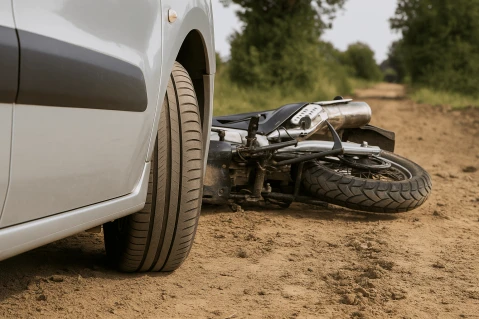
Sometimes it's mileage, like those two Nissans. More often it's damage, and the records show what kind. Among the cars where damage was noted:
- About half (53%) had collision damage, usually to the front.
- Around 1 in 25 (4%) had flood or water damage.
- Another 4% or so were hail damaged.

The labels sound minor until you think about what each one means down the road. Collision damage can hide bent frames, deployed airbags, and sensors that never worked right again. Flood water corrodes wiring and electronics slowly, so the problems often show up months later. Even hail, which sounds purely cosmetic, can mark a car that sat exposed through something worse. And here's the part that ties it together: a clean title doesn't rule any of this out, and a good body shop can make all of it disappear to the naked eye. None of it disappears from the VIN.
According to NHTSA's odometer fraud statistics, more than 450,000 vehicles are sold each year with false odometer readings.
A Clean Title Is Not a Clean History
This is the trap that catches the most buyers. A title is a legal document, and it only carries a brand like salvage, flood, or rebuilt when a specific event got reported to a database like the federal NMVTIS title system at the right time. Both Nissans above had spotless titles. Neither was a safe buy.
A title won't tell you a car has 200,000 miles, that it changed hands four times in a year, that it was a former rental, or that it was repaired after a crash that never got formally branded. The full vehicle history will. Treating a clean title as a clean bill of health is exactly how a $3,500 auction car ends up on a dealer lot at full retail.
Why a Low Price Should Make You Check, Not Celebrate
"Look, every now and then someone genuinely gets lucky and a clean car slips through cheap. But that's the exception, not the rule. A car that sells for a couple hundred dollars almost always got there for a reason, and most of the time the low price isn't the deal, it's the deposit. You'll either spend real money getting it road-ready, or it's carrying a past the listing won't mention: a six-figure odometer, an accident, a flood, a salvage title. So I'm not telling anyone to walk away from a cheap car. I'm saying go in with your eyes open. A clean title is not a clean bill of health. Before you get excited, look up the VIN: the mileage, the title, the owners, where it's been. A low price should be a reason to check, not a reason to rush."
Alex Black, CMO and auto expert at EpicVIN
What you can see standing next to a car and what you can actually confirm are two different things:
| What you can see on the lot | What you can't see without the VIN |
| Clean paint and a fresh detail | A prior salvage or total-loss title |
| A clean title document | A six-figure odometer behind low-looking miles |
| A body that's been put back together | Flood, fire, or major accident history |
| A confident seller | How many owners, and how fast they flipped it |
What to Check Before You Buy
You don't need to avoid cheap cars. You need to know which kind of cheap you're looking at. Before you put money down, run the VIN and check:
- Mileage history, not just the number on the dash, to catch high-mileage fleet cars and rollbacks.
- Title brands, for salvage, flood, junk, rebuilt, or lemon records.
- Number of owners and how quickly it changed hands, since rapid flips are a red flag.
- Accident and damage records, including total-loss and insurance entries.
- Prior auction and sale history, to see what it really sold for before.
Key Takeaways
- Used cars go for far less at auction than most people expect, with almost half selling under $3,000.
- The cheap ones aren't all old. Plenty are recent models that are still sold for a fraction of their value.
- A clean title is not a clean history. Some of the cheapest newer cars were clean-title vehicles with enormous mileage.
- About half of the cars had collision damage, and thousands more were flood or hail damaged.
- A low price is a reason to check a car's history, not proof you found a deal.
Sources are linked inline throughout, including the NHTSA and the U.S. Department of Justice's NMVTIS. Figures in this article come from EpicVIN's analysis of more than 20,000 U.S. auction records from 2024 to 2026, and individual vehicle examples are drawn from EpicVIN vehicle history reports.
Frequently Asked Questions
Auctions move huge numbers of cars fast, and many come in through insurance, total-loss, lease-return, repossession, and fleet channels. That volume and turnover drag prices down, sometimes to a couple hundred dollars.
Not always, but a very low price almost always has a reason behind it, whether that's high mileage, hidden damage, or a branded title. The only way to know is to check the history first.
Yes. Recent models end up at auction too, sometimes after a crash or flood, and sometimes simply because they've been driven into the ground. A newer year and a clean title are not a promise of a clean past.
Not necessarily. A clean title only means no major brand was reported. It won't tell you about high mileage, multiple quick owners, prior rental use, or repaired damage. A full history report fills in those gaps.
Run the VIN through a vehicle history report. It can pull up mileage history, title brands, number of owners, accident and salvage records, and prior auction activity tied to that exact car.