
Whether you need a front license plate depends on your state. For example, California and New York require both front and rear plates, while states like Florida and Pennsylvania require only a rear plate. Driving without a front plate in a two-plate state can result in fines or inspection issues. This guide explains where front plates are required, what exceptions exist, and how to mount one properly, even if your car wasn’t designed for it.
What the Law Says About Front License Plates
In the U.S., front license plate laws are made by each state, and the authority to enforce them is local. Most law says a front license plate must be securely attached, and words/numbers on it must be clearly visible. Many states also set license plate height, lighting, and display angles for motor vehicles. Always review the statute and confirm any reason for change before a long trip.
- States that require a front license plate and a rear plate for registered motor vehicles.
- States that require only a rear license plate on the vehicle.
- States with front license plate laws that allow alternative brackets or adhesive displays.
- States that let motorcycles and trailers follow different rules.
Exceptions to the Front Plate Requirement
States list exceptions for certain vehicles, antique registrations, and temporary permits. Consult your DMV page to confirm whether your vehicle is exempt. Some vehicles exempt categories include antiques, parade cars, and limited-use trailers under specific statute language, as outlined by the California DMV.
Vehicles Without Front Mounting Points
Some cars and trucks arrive without a factory bracket or threaded mount for front car plates. When a state requires a front license plate, the owner still has to display the plate. Manufacturers expect dealers to install hardware, but many drivers prefer no-drill options. Similarly, EVs and sports cars may need airflow kept clear, so placement matters.
- Tow-hook receiver mounts that let you display the plate without drilling.
- Clamp, grille, or underbody mounts that keep the color and finish intact.
- Magnetic or adhesive pads designed for smooth bumpers on motor vehicles.
- Off-center brackets for the front license plate to protect sensors and cameras.
If you’re unsure how to get a front license plate in your area, start at the DMV page for forms and brackets.
Temporary Tags and Transit Permits
After purchase or transfer, you may receive temporary tags while registration completes. These permits substitute for license plates for a limited time, and the display method is specified. If your state requires two plates, the temporary process will note where the tag must go. For example, the Texas Department of Motor Vehicles specifies that temporary tags must be visibly placed on the rear of the vehicle, and that front plate requirements still apply during this period for two-plate states.
| Permit Type | Where to Display | Typical Duration | Notes |
| Dealer temp tag | Rear license plate position | 15–60 days | Provide a bill of sale and an insurance card. |
| DMV transit permit | Rear window or plate bracket | 1–10 days | Used to move unregistered motor vehicles. |
| Out-of-state temp | Rear plate area | Varies | Follow the issuing state law on display. |
Be sure the permit links to your vehicle registration record today; if anything is unclear, contact your DMV for guidance. Also, consider performing a vehicle history report.
Why Some States Are Dropping Front Plate Requirements
Legislatures weigh cost, safety, and technology. Two license plates cost more to print, mail, and control, and they add minor drag. Camera tech now scans a rear plate well, reducing the need for a second plate. Police argue a front license plate helps at tolls and in city traffic, so debate continues. The reason usually blends cost control with how well modern readers capture a rear tag.
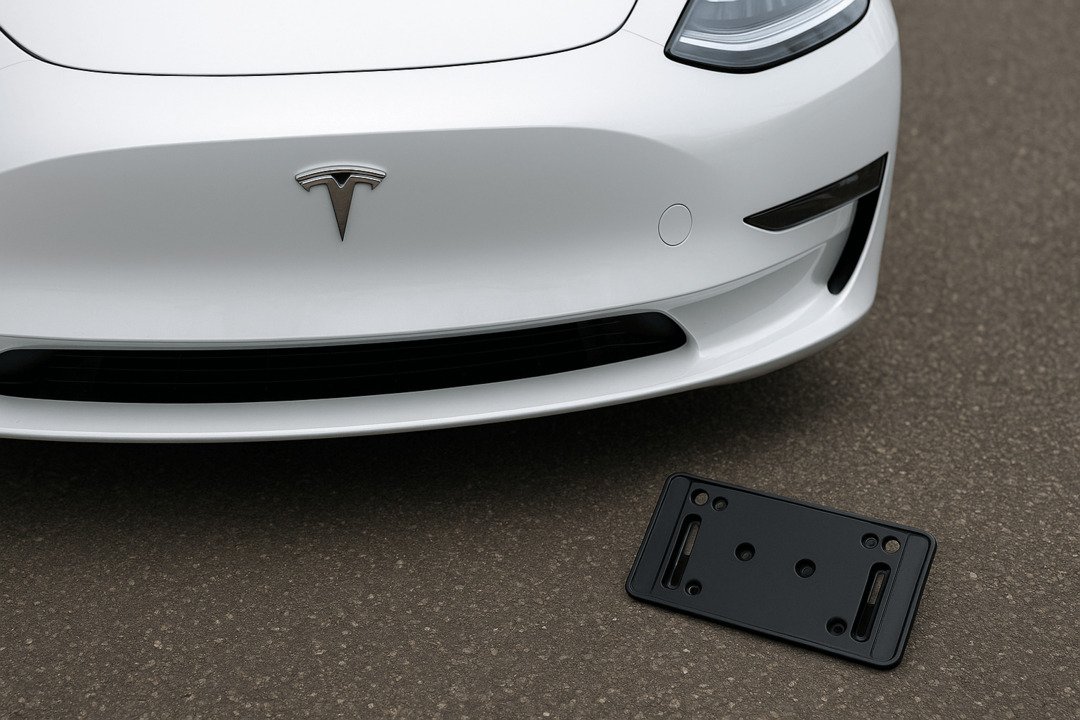
Brands like Tesla and Porsche have designed vehicles without obvious front plate mounting areas, and they’ve urged lawmakers to reconsider the requirement. In states like Ohio and Utah, this push from manufacturers, combined with support from car owners and dealerships, has influenced decisions to drop the front plate law for most vehicles.
- Producing two plates per vehicle costs more each year for the state.
- Aerodynamics and sensor placement improve without a front license plate on the car.
- Automated systems can track your plate and identify the rear plate accurately in most conditions.
According to EpicVIN, ditching a front plate can improve efficiency by 0.1–0.3 mpg equivalent on some models.
What Happens If You Don’t Have a Front License Plate
If a state requires one and you fail to display it, you can get a citation or a fix-it notice. Correct the failure quickly to avoid higher fine amounts. In some regions, plate visibility is checked during emissions testing or flagged automatically by toll systems. Even if you’ve never been pulled over before, a single plate violation can suddenly become a bigger issue when tied to paperwork delays
Typical Penalties for Missing a Front Plate
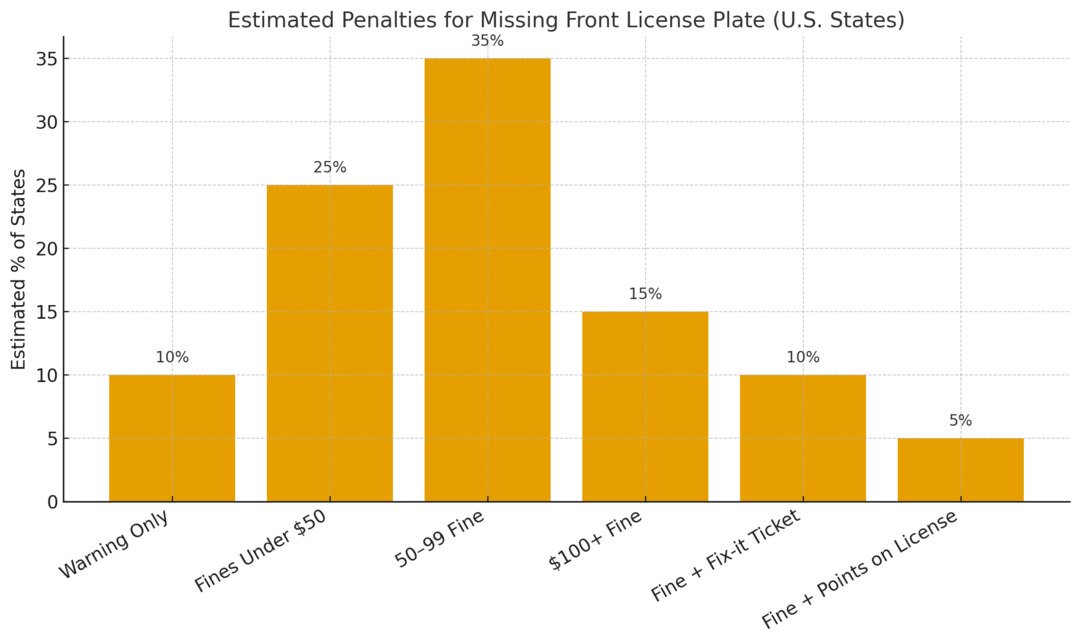
Penalties depend on the state and the specific offense. The issue is usually non-moving, but a fine still applies, and court costs may follow. Repeat drivers who ignore the law can face consequences. Keep photos and receipts to show compliance if a judge asks.
- Warning or small fine for a first offense; many states allow a fix-it notice.
- Higher fine for repeated failure, plus fees if you miss a scheduled or court date.
- Equipment violation requiring proof of installation within a set time window.
- Extra citation if stopped for another issue, like a lighting problem or accident.
States With the Strictest Enforcement on Front Plates
Strict enforcement tends to appear where traffic is dense and cameras are common. If your state is two-plate, expect closer checks at tolls, garages, and inspection lanes. Officers also focus on proper display after an accident or during targeted details.
| State | Requirement | Typical First-Offense Fine | Notes |
| California | Front and rear license plate required | $25–$197 with fees | Heavy use of roadway cameras to enforce the law. |
| New York | Front and rear license plate required | $50–$200 | Metro areas rely on plate readers and toll systems. |
| Texas | Front and rear license plate required | Up to $200 | County practices vary; officers inspect displays closely. |
What If the Dealer Never Installed My Front Plate?
The dealer should supply brackets when a state requires them, but installation can be missed. As the registered owner, you must ensure proper display under the law. Contact the service department for the right kit, ask about no-drill options, and schedule installation. Keep emails to prove you acted promptly if you get a citation before the work is done.
How to Install a Front Plate Without Drilling Your Bumper
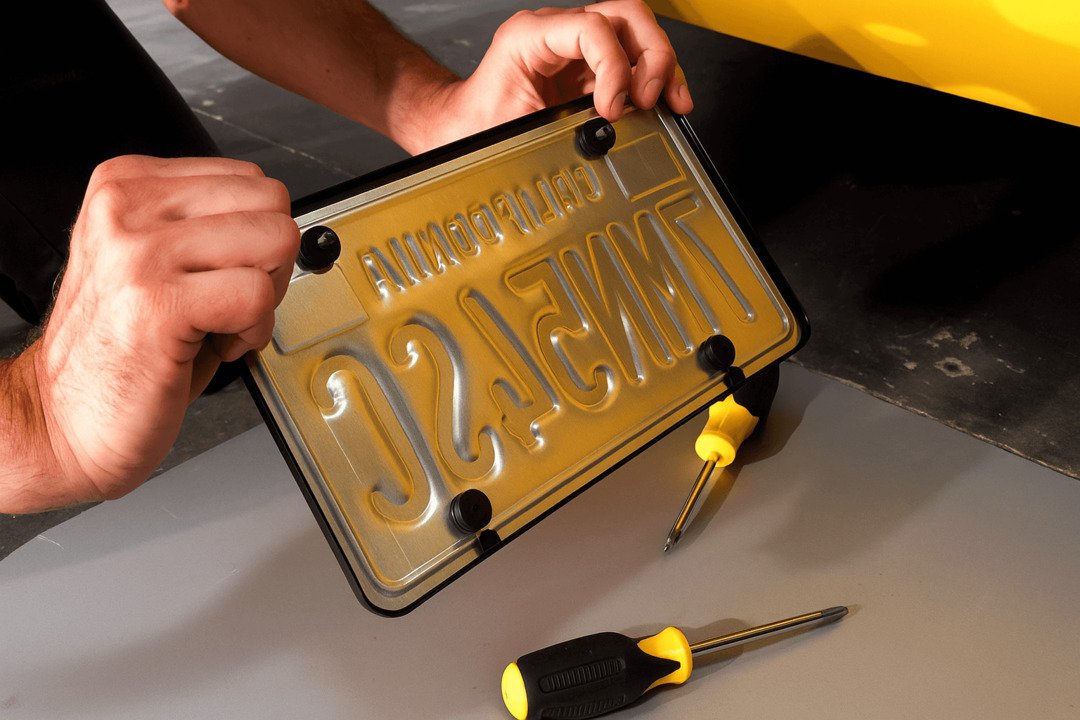
Many owners want the front license plate mounted without damage. If your bumper lacks holes, you still can meet the requirement with the right steps. Before starting, consult the bracket manual and verify torque specs. Park safely, set the brake, and ensure the plate sits level for clear letters and numbers. For example, suppose your state requires a visible bracket; follow the important instructions in the kit to avoid misalignment.
- Choose a tow-hook or clamp bracket that fits your vehicle; verify thread size and load.
- Test-fit, mark the position, and confirm that cameras, radar, and airflow remain clear.
- Attach the plate firmly with lock washers; re-check after driving for some time.
- If you relocate, change the bracket position to satisfy the new state’s rules.
Do Front Plates Help Law Enforcement and Camera Systems?
A front license plate can improve identification in heavy traffic and at toll gantries, and it can deter license plate theft by making quick swaps harder. Police and toll agencies say two license plates raise the odds of a fast hit after an accident. Still, most automated systems focus on the rear plate, which is why some states revisit the mandate. For city streets, the extra license plate can help officers enforce stolen-vehicle alerts.
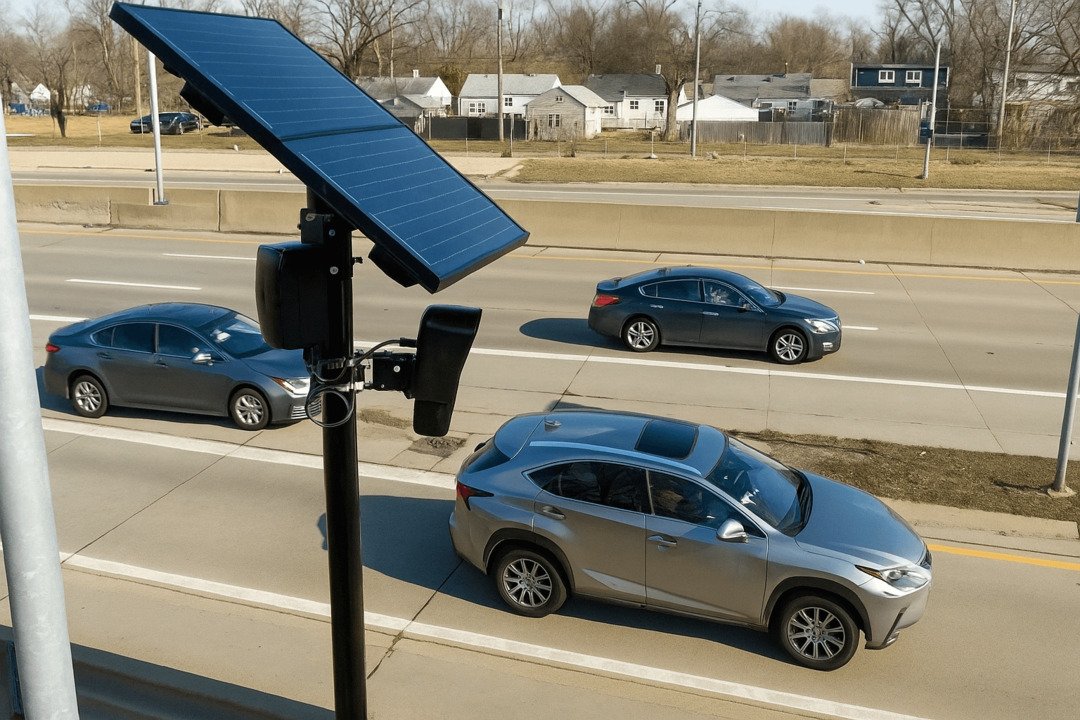
Front car tags remain part of identification at tolls in many states, especially where gantries face oncoming traffic.
Insurance, Inspection, and Resale Implications
A missing required plate can complicate inspection or DMV paperwork renewal. In some states, inspectors must confirm display and may mark a failure if it’s absent. For resale, undrilled bumpers and tidy hardware are attractive to buyers, but legality is the primary concern. If you move, confirm the new rule, install a bracket, and keep proof for your records.
| Topic | Possible Impact | What to Do |
| Insurance | Questions after an accident if you ignored a display rule | Photograph the plate and file receipts. |
| Inspection | Visual fail where a front license plate is required | Bring a temporary bracket to pass. |
| Resale | Buyers compare holes and finish | Pick adhesive options to preserve bumpers. |
Smart shoppers run a quick license plate lookup owner to check titles and recalls, gaining a clearer picture of who the vehicle is registered to and whether any red flags exist.
Summary
The essential takeaway is that front license plate rules are local, and every state writes its own law. When you move, destroy old license plates only as your DMV instructs, because mishandling plates can create an issue on your record. Look up license plate laws, confirm whether the state requires two plates, and follow the requirement. Install smart hardware, keep documentation, and stay legal. Doing so reduces potential penalties and saves time if you’re ever in an accident or a roadside inspection.
Frequently Asked Questions
Yes. In states that require the plate to be present, inspectors can mark a failure. Fix the equipment, then return for a quick re-test. Some stations will pass with a temporary bracket if they meet display standards.
The rental company, as the owner, usually gets the first notice. Under your contract, the agency may charge your card for the fine and an admin fee if the offense happened during your driving period.
Some states require you to surrender plates when you leave the state or change status. Always follow DMV instructions.
- Return the plate when you move if your state demands it.
- Surrender temp, specialty, or trailer plates if your registration changes.
- Keep your rear plate when the law allows reassignment to a newly registered vehicle.
Usually, no. Most law requires the plate with letters and numbers to be outside and plainly visible. A windshield position often violates display rules and can lead to a citation, especially where officers enforce toll or reader lanes.
Yes. Personalized designs don’t change the rule. If your state requires two license plates, custom plates must be mounted in front and rear locations like any other plates. Always follow the exact bracket guidance from the authority that issues them.
In states where front plate display is a primary offense, officers are legally allowed to initiate a traffic stop solely for that reason. Even if the stop begins with a minor equipment issue, it can lead to additional citations if other violations are discovered.
Not yet in most cases. States testing digital plates, like California and Arizona, typically allow them for rear display only. A physical front plate is still required.