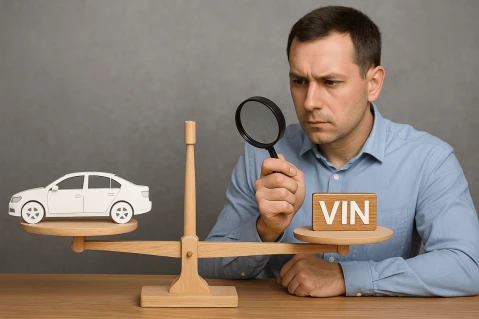

To check if a car is stolen, first confirm the VIN in every factory location and make sure it matches the title, bill of sale, and the seller’s ID. Then run the VIN through official channels like insurer theft records and your state’s systems. If any database returns an active theft record associated with that VIN, the vehicle is considered stolen and may be seized during verification.
What Does “Stolen Vehicle Status” Mean?
Stolen vehicle status is a label returned after you search an ID in a database. A quick way to check is to confirm the VIN on the vehicle and re-run the search with the same characters. It means a record links that identity to a vehicle-theft case or loss file. The record may be active, recovered but not cleared, or misfiled. Different systems update at different speeds. Thus results can conflict briefly. When learning how to tell if a car is stolen, confirm the identity of the car first. Then, check where the record comes from. When interpreting a stolen-vehicle status, keep the following points in mind:
- Source: insurer files or state systems.
- Status: active, recovered, or pending clearance.
- Risk: the car can be seized during verification.
- Next step: verify paperwork and recheck the vehicle close to purchase.
In 2023, 1,020,729 vehicles were listed as stolen nationwide in NICB reporting.
Legal Consequences for Unknowingly Buying a Stolen Vehicle

A car that is reported stolen usually must be returned to the legal owner or lender. If it’s located, law enforcement can impound the motor vehicle while ownership is sorted out. Disputes can also involve insurance companies, and car insurance rarely repays the purchase price if you never had valid ownership. Common legal consequences include:
- Loss of the car with no automatic refund.
- Registration delays if the vehicle title is blocked or under review.
- Impound, towing, and storage fees accrue daily.
- Civil claims from the true owner or lienholder.
Step 1 — Locate and Verify the VIN Correctly
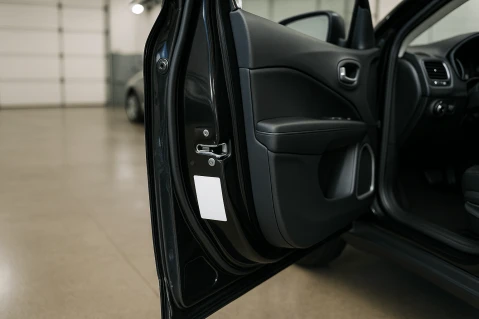
The vehicle identification number is the car’s primary identity. Accuracy matters more than speed. Read it from the windshield plate. Then, confirm it on the door-jamb label and any factory stamp locations for that model. Clean the area. Use a flashlight and photograph what you see. If any location differs by even one character, stop and verify before you do anything else. Here are all the steps to verify your VIN:
- Compare rivets and fonts for signs of a swapped plate.
- Verify the VIN number has 17 characters with no I, O, or Q.
- Save a clear photo. Note the vehicle’s VIN exactly as shown.
- Recheck the digits after a break.
From 2019 to 2023, the FBI reported the national theft rate rose from 199.4 to 283.5 incidents per 100,000 people.
Step 2 — Compare the VIN With the Title, Bill of Sale & Seller Info
Match the vehicle identification number on the paperwork to the car’s VIN. Confirm the person's name, address, and ID match the signatures. A car without a title is a stop sign, as most states require a valid title to prove ownership before transfer. If anything looks altered, request a DMV record lookup to verify the chain of ownership and confirm the person selling the vehicle is the legal owner. According to state DMV guidance and the FTC Used Car Rule, buyers should never proceed without a clear, verifiable title issued to the seller.
Step 3 — Run a Theft Check Through Official Databases and Services
Run a VIN check in at least two sources to see if a vehicle is flagged, then decide: Is this vehicle stolen based on matching results?
NICB Free VINCheck
NICB VINCheck is run by the National Insurance Crime Bureau and works best as a first filter. It verifies insurer-submitted theft and loss files, not every police record, and it can flag an insurance theft claim. The lookup is free online and fast, so save this option.
- Run a free VIN query for a simple yes/no output.
- This free service uses data shared by member insurance companies.
- Theft and total-loss indicators when insurers report them.
EpicVIN Vehicle History Report
EpicVIN is a great option when you need deeper context. It cross-checks titles, auctions, and odometer entries. Therefore, the platform is often considered one of the most reliable services for pre-purchase screening. Its VIN decoder also helps confirm factory specs. You can spot non-matching trim or engine claims. The vehicle history report includes:
- Ownership timeline with state changes and date stamps.
- Odometer readings with rollback pattern alerts.
- Lien and damage clues are useful for negotiation.
State DMV Title & Registration Lookup
An official lookup is the closest thing to an official ownership confirmation in that state. Use it to confirm whether the title is active, branded, or held by a lender. When the story feels fuzzy, an official title search can prevent expensive mistakes. You can get:
- Current title status and brand information, when disclosable.
- Registration and lienholder confirmation when allowed.
- Transfer requirements for fees, taxes, and forms.
When to Escalate From DMV to State Police
Escalate when the Department of Motor Vehicles flags a mismatch or the ID looks altered. Leave the meeting calmly. Contact the police department using the local police non-emergency number. When you escalate to state police, you can expect them to provide the following:
- Report intake and a case reference number.
- Guidance on whether to bring the car for inspection.
- Next steps if the vehicle must be impounded.
Step 4 — Evaluate Ownership History & Look for Title Washing Signs
Title washing hides a bad past by moving paperwork between states or using gaps in transfers. Watch for rapid flips, absent dates, and out-of-state retitles. A theft-recovery title or salvage vehicle brand should match repair evidence and disclosure forms, not surprises at registration. Such patterns are also described in the Virginia Department of Motor Vehicles law-enforcement guidance, which notes that irregular branding or unexpected status changes after interstate transfers may indicate tampering.
Step 5 — Perform a Physical Pre-Purchase Inspection

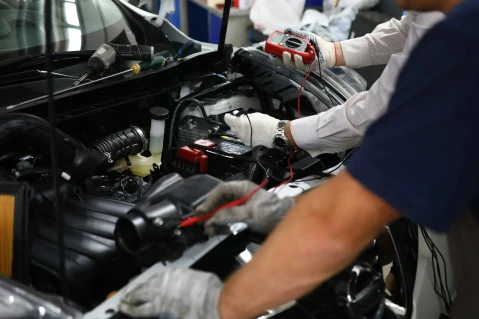
Records can be clean while the car shows tampering. Modern auto theft often targets keys and electronics, so damage may be subtle. Inspect in daylight and compare wear to the claimed mileage and service story. These inspections won’t prove a crime, but they can expose shortcuts used by car thieves. Federal odometer disclosure rules under 49 CFR Part 580 emphasize the importance of verifying mileage accuracy during any physical inspection. Here are more details to confirm:
- Ignition and steering column. Look for broken shrouds, tool marks, or a loose lock cylinder.
- Door lock mechanism. Look for scratches, bent linkages, or a lock that binds.
- ECU or wiring tampering. Inspect for fresh tape, cut looms, or non-factory splices under the dash.
- Mileage accuracy. Compare the cluster mileage to the service stickers and scan the data if you can.
- Glass etching numbers (if present). Verify matching codes across the side and rear glass.
- Hinges, panels for repaint, or welds. Watch for overspray, misaligned gaps, or new spot welds.
- Key programming inconsistencies. Confirm all keys work and remote functions match factory behavior.
- Signs of forced entry. Check door frames, trunk seams, and window trim for suspicious marks.
Step 6 — Trust the Seller, Verify or Return the Car
Finish the deal with copies if the other party cooperates and the records match. If you see that this is a stolen car, take immediate measures. Park safely, keep the keys, and call the police.
When It’s Safe to Proceed With the Purchase
When buying a used car, review both the vehicle and its documentation. A trustworthy private seller will let you photograph important parts. The listing may mention a theft-recovery vehicle. In this case, confirm repair invoices, inspections, and any brand disclosures. Before you pay, contact your insurance company. Confirm the start date and coverage terms. The most important green flags include:
- VIN matches factory locations and all documents.
- The person's identity matches the signing name.
- The official status and history analyses agree with the story.
- Keys, remotes, and locks function normally.
When You Should Walk Away Immediately
Walk away when the dealer blocks basic verification. They can also try to rush you into payment. Do not accept “lost title” promises, partial documents, or backdated forms. If you suspect VIN cloning fraud, leave and document what you observed from a safe distance. There are more cases when you should cancel the deal:
- The other party refuses ID, VIN photos, or a proper bill of sale.
- Paperwork names don’t match, or signatures look inconsistent.
- VIN plates or labels look altered or poorly attached.
- Meeting location or behavior makes you feel unsafe.
Step 7 — Financial Exposure Calculator

Estimate worst-case loss: purchase price, towing, storage, and any loan interest you still owe. Add registration fees, a rental, and time off work. If the car is seized, you may never recover the money, so use this number as your walk-away limit. For example, a $9,500 used car can quickly exceed $12,000 in exposure once you add $350 towing, $480 storage, $600 registration and tax, and $1,000 in lost time or rental costs.
Worst-Case Exposure Formula:
Understanding the Investigation Timeline
Agencies confirm identity, preserve evidence, and then sort out ownership. Keep your documents organized. Also, respond promptly to requests. Delays often come from absent receipts or incomplete statements.
| Stage | Who performs it | Typical duration | User responsibilities |
| Initial report | Police | Hours | Documentation and statements |
| VIN confirmation | DMV | Hours to days | Provide purchase paperwork |
| Impound | Police/tow | Days | Retrieve personal items and keys |
| Evidence review | Insurance/crime labs | Days to weeks | Cooperate with requests |
| Final resolution | Police/DMV/insurance | Weeks | Collect release paperwork |
What to Do If the Seller Might Be a Curbstoner or Fraudster
Curbstoners flip cars as unlicensed dealers while pretending to be the owner. This can trap you with a used vehicle you can’t register, even if it isn’t stolen. Ask direct questions and exit fast when answers don’t match the paperwork. Here are more tips to avoid fraudulent sellers:
- Meet at the local Department of Motor Vehicles or notary instead of a parking lot.
- Refuse blank buyer fields or any “open title” paperwork.
- Save screenshots of ads and messages in case you need proof.
- You won’t miss legitimate deals by saying no.
How to Protect Your Car from a Potential Theft
Good security is layered. Reduce opportunity, prevent starting, and make tracking easy. Small changes matter because car theft is common. The goal of theft prevention is to make your car slower to enter and harder to start. After purchase, keep records together, including a comprehensive vehicle history report. Review auto insurance coverage so you know what is and isn’t protected after a loss.
- Use a steering-wheel lock and choose well-lit parking spots. Add a visible deterrent and avoid isolated areas to reduce opportunistic theft.
- Store keys in a signal-blocking pouch and keep spare keys indoors. This prevents relay attacks and reduces the risk of unauthorized key cloning.
- Install a hidden immobilizer or kill switch. A professional installation prevents hot-wiring and bypass attempts.
- Keep VIN photos, receipts, and registration copies in a secure cloud backup. This speeds up recovery and insurance processes if theft occurs.
Summary

- Verify the VIN first. Check every factory VIN location and make sure it matches the title, bill of sale, and seller’s ID.
- Treat any mismatch or tampering as a red flag. Scratched plates, altered rivets, or inconsistent numbers require immediate escalation.
- Know your legal position. Buyers acting in good faith are not criminally liable, but the vehicle can still be seized during verification.
- Use multiple official databases and tools. Confirm the VIN through NICB, EpicVIN VIN decoder, your state DMV, and state police to get the most reliable theft status.
- Calculate your financial exposure. Consider ACV, loan balance, towing/impound fees, and possible insurance denial if the car is stolen.
- Follow a clear decision path. If anything conflicts, stop driving, document everything, and start verification or seek a return immediately.
- Prevent future issues. Always inspect documents closely and run official checks before transferring money.
Frequently Asked Questions
Not always, but it’s a common pressure tactic. A low price can reflect repairs, a fast move, or a repossession sale. The risk rises when the price is low, and the documents don’t match the car.
Fresh holes can be normal after a bumper replacement. However, they can also point to plate swapping. Check alignment, absent clips, and signs of rushed work. If the mounting looks improvised, verify the paperwork again.
Most forced-entry marks on modern cars appear around edges and pry points rather than the center of panels. The most common places include:
- Door frame lips and weather seals.
- Window trim and quarter-glass corners.
- Trunk lock surround and latch area.
- Steering column shrouds and lower dash panels.
- Underbody shields near wiring access points.
Stop if any official result shows an active match or if you discover altered identifiers. Park in a safe place, keep your documents, and avoid confronting the other party.
If a seller refuses to let you photograph the VIN, treat it as a clear red flag and end the meeting immediately. Refusal prevents you from verifying the car’s identity and strongly suggests the vehicle may be stolen.