
A car flood almost always lowers resale value. A flood-damaged car usually cannot return to its pre-flood price. Buyers worry about hidden corrosion, mold, electrical problems, and future breakdowns. Still, you can recover part of the lost value.
Before selling, focus on three things:
- Prove the actual vehicle condition.
- Fix the problems that affect safety or drivability.
- Disclose the flood history clearly.
A flooded vehicle with organized records, a dry interior, tested electronics, and realistic pricing is easier to sell than one that looks cleaned up but raises unanswered questions.

How Flood Damage Affects a Car's Value
Car flood damage can affect more than the carpet. Water can reach wiring connectors, sensors, fuse boxes, seat motors, brake components, suspension hardware, the engine bay, and sometimes the transmission. Even after the surface looks dry, moisture may stay under padding, behind trim, inside ducts, or around metal seams.
The strongest hits to flood damage car value usually come from:
- Electrical issues that are hard to trace.
- Engine or transmission water contamination.
- Mold, odor, or damp interior materials.
- Rust starting in hidden areas.
- Airbag, ABS, or ECU warning lights.
- Missing repair records.
- Title branding.
Flood problems are not always immediate. A car may start, shift, and drive today, then develop sensor faults, battery drain, corrosion, or cabin odor weeks later. That delayed risk is exactly why a flood damaged car sells for less than a similar clean-history vehicle.
Water level also matters. Water below the lower door line is less concerning than water reaching the seats, dashboard, or fuse panels. Saltwater exposure is usually worse than freshwater because it accelerates corrosion. AAA’s guide to flood-damaged cars also notes that hidden damage can remain even when a vehicle looks presentable.
For resale, appearance helps. However, proof matters more. A buyer will pay more attention to inspection results, fluid condition, electrical testing, odor, title status, and documentation than to a freshly washed exterior.
Should You Repair a Flood-Damaged Car Before Selling?
Repairing before sale makes sense only when the money spent is likely to come back in the sale price. The goal is not to make the car perfect. The goal is to remove the problems that make buyers walk away.
Repair is usually worth considering when:
- The vehicle starts and drives normally.
- Water did not reach the dashboard or major modules.
- The title status is known.
- The repair cost is reasonable.
- The vehicle still has meaningful market value.
- You can keep repair records.
Repair may not be worth it when:
- The engine ingested water.
- The transmission fluid is contaminated.
- Several control modules are damaged.
- Mold has spread deep into the cabin.
- Saltwater entered the vehicle.
- Repair costs are close to the resale value.
If you plan to sell a flood-damaged car, prioritize repairs that improve safety, reliability, smell, and buyer confidence. Minor cosmetics can often wait.
Step 1: Get a Professional Inspection
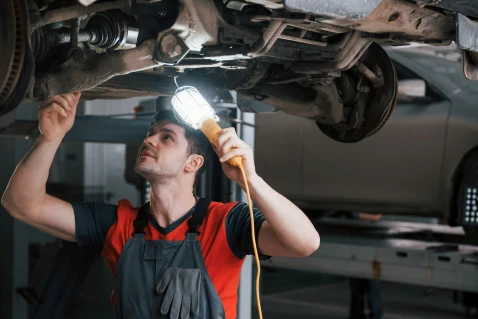
Start with a professional inspection. A clean interior will not save the sale if the mechanic finds contaminated fluids, corroded wiring, brake issues, or active diagnostic codes.
Ask for inspection of:
- Engine oil, intake, belts, pulleys, and air filter.
- Transmission fluid and drivetrain components.
- Brakes, ABS sensors, calipers, and brake lines.
- Battery, alternator, starter, fuse boxes, and grounds.
- ECU, body control module, and airbag system.
- HVAC system and cabin filter.
- Suspension, exhaust, underbody, and rust-prone areas.
An engine inspection is especially important if the water reached the intake. Starting a flooded vehicle too soon can turn a repairable problem into major engine damage.
Hybrid and electric vehicles need extra care. NHTSA warns that flooded EVs and hybrids can create high-voltage risks, especially if battery systems are exposed to standing water. Review its guidance on hurricane and flood-damaged vehicles before charging, moving, or repairing one.

A written inspection report also helps during negotiation. Instead of saying “it seems fine,” you can show what was checked and what still needs attention.
Step 2: Clean and Restore the Interior
Interior cleaning has a direct effect on resale value. Buyers notice the cabin first. A musty smell, damp carpet, stained upholstery, or foggy interior glass can make the buyer assume the worst.
Do not just vacuum the car and spray fragrance. Flood restoration should be more thorough:
- Remove wet mats, trunk liners, and loose insulation.
- Extract water from carpet and upholstery.
- Lift the carpet where possible to dry the padding.
- Clean seat tracks and under-seat areas.
- Replace the cabin filter.
- Check the spare tire well for trapped water.
- Inspect HVAC vents for moisture or odor.
Treat mold at the source.
Mold removal is especially important. Mold suggests that water contamination remained in the cabin for too long. If seat foam or carpet padding stays wet, replacement may be better than repeated cleaning.

Strong perfumes usually make buyers suspicious. A neutral, dry, clean interior feels more trustworthy than a cabin that smells like chemicals.
Step 3: Fix High-Value Problems First
Not every repair adds value. Spend money on the problems that make the car unsafe, unreliable, or difficult to sell.
High-value repairs usually include:
- Electrical faults.
- Brake or ABS problems.
- Airbag warning lights.
- ECU or body control module errors.
- Contaminated fluids.
- Early rust treatment.
- Charging-system problems.
- HVAC moisture or odor.
Lower-priority repairs may include small scratches, worn trim, minor seat stains, and non-essential accessories. These issues affect presentation. However, they do not usually decide whether a buyer trusts a water damaged car.

If the budget is limited, fix active warning lights before cosmetic flaws. A buyer may accept a scuffed bumper. Random electrical glitches are much harder to explain.
Step 4: Gather Documentation
Documentation is one of the simplest ways to protect resale value. It does not erase the flood history. However, it reduces guesswork. Without paperwork, buyers assume the damage was worse than described.
Prepare a folder with:
- Photos before cleaning.
- Photos during drying or repair.
- Professional inspection report.
- Diagnostic scan results.
- Fluid replacement receipts.
- Parts invoices.
- Interior cleaning receipts.
- Mold removal records.
- Insurance claim documents.
- Maintenance history.
Repair records.
A vehicle history report is also useful. Buyers may want to check whether flood damage, title branding, service records, or salvage history appear by VIN.
Be careful with wording. If the report does not show flood damage yet, do not advertise the car as “no flood record” if you know it was flooded. Reports can lag, and your disclosure still matters.
Step 5: Understand Your Title Status
Title status can change the buyer pool immediately. A clean title usually means there is no major brand. Nonetheless, a clean title does not prove the vehicle was never flooded.
A salvage title usually means the vehicle was declared a total loss. A rebuilt title usually means a salvage vehicle was repaired and passed the required state process to return to the road.
Title branding affects price, financing, insurance, and buyer trust. Some buyers will not consider a branded-title car at all. Others may buy one if the price is right and the repair history is clear.
Buyer disclosure should be written, not just verbal. If you know the vehicle was flooded, say so in the listing, bill of sale, or a separate signed disclosure. This is especially important when selling a flooded car privately.
How Much Value Can You Recover?
There is no single formula for flood damage car value. The same model can sell very differently depending on water level, title status, repair quality, mileage, and proof.
Value recovery is strongest when the car has:
- No active warning lights.
- Clean fluids.
- Tested electronics.
- No mold or odor.
- Dry the carpet and trunk.
- Clear repair records.
- Confirmed title status.
- Good photos.
- Honest disclosure.
- Realistic pricing.
A lightly affected water-damaged car with strong documentation may recover a meaningful part of its market value. A branded-title flooded vehicle usually needs a larger discount. A non-running car with engine, transmission, or electrical damage may be worth closer to salvage or parts value.
You can also check whether a VIN appears in certain insurance-related records through NICB VINCheck. It may help identify some salvage or theft records.
Common Mistakes That Reduce Resale Value
Avoid these mistakes before listing the car:
- Hiding the flood history.
- Saying “no issues” while warning lights are on.
- Cleaning the cabin without drying the padding.
- Covering odor instead of removing moisture.
- Skipping diagnostic scans.
- Ignoring contaminated fluids.
- Leaving corrosion untreated.
- Not checking the electrical system.
- Throwing away repair records.
- Listing before confirming title status.
- Pricing the car like a clean-history vehicle.
- Refusing a buyer’s inspection.
- Giving vague answers about water depth.
- Selling without a written buyer disclosure.
The biggest mistake is trying to make the vehicle look less damaged than it is. Buyers expect a discount. What they need is enough proof to feel the risk is understood and priced fairly.
Checklist Before Selling a Flood-Damaged Car
Use this checklist:
- Professional inspection completed.
- Engine inspection completed.
- Transmission and fluids checked.
- Electrical system tested.
- Brake system inspected.
- Diagnostic scan completed.
- Interior cleaned and dried.
- Mold removed.
- HVAC system checked.
- Rust-prone areas inspected.
- Service records collected.
- Repair records organized.
- Photos of repairs saved.
- Vehicle history report available.
- Title status confirmed.
- Insurance claim documents prepared.
- Honest disclosure prepared.
- Asking price adjusted for condition.
- Buyer inspection allowed.

Summary
Recovering value after a car flood is mostly about reducing doubt. You cannot erase the flood history. Moreover, you should not hide it. What you can do is inspect the car, fix the right problems, dry and clean the interior, document the work, confirm the title status, and price the vehicle honestly.
Frequently Asked Questions
Yes. However, you should disclose the damage clearly. Some buyers will avoid it. Others may consider it if the price, title status, inspection results, and repair records are transparent.
Yes. Flood damage almost always reduces value. Even when the car looks clean, buyers may worry about mold, corrosion, electrical faults, and title branding.
Yes. If you know the vehicle was flooded, disclose it in writing. A clean title does not remove the need for honest buyer disclosure when you know the car’s history.
The repairs should be tied to safety, drivability, moisture, odor, and electrical reliability. Fix warning lights, brake problems, contaminated fluids, mold, wet carpet, and obvious electrical faults first.
It depends on repair cost and post-repair value. If the flooded vehicle had light water exposure, no major electrical damage, and solid documentation, targeted repairs may help. If it has engine damage, saltwater exposure, major mold, or low value, selling as-is with full disclosure may be smarter.