
Vehicle History
3 min read
What if my VIN number is wrong?
Our team will tell you what to do if your VIN is wrong.
Read moreLooking for the VIN?
Here is where you'll find it:



Real searches from EpicVIN users, updated daily.
of checked vehicles carry a salvage-title record (last 30 days)
If you are planning to buy a used vehicle in Virginia, checking its history before you pay is one of the smartest steps you can take. A VIN lookup Virginia can help you review important vehicle information, including title records, collision history, theft records, mileage data, and other details that may affect the vehicle’s value or safety.
EpicVIN’s free Virginia VIN lookup gives potential buyers access to vehicle records for cars registered across the state. By entering a VIN number, you can start reviewing available details about the vehicle you are considering and decide whether it is worth moving forward with the purchase.
EpicVIN is a convenient source for obtaining vehicle history reports on cars registered in Virginia and throughout the United States. Its reports may include specifications, title details, accident data, theft records, sales history, and other essential details from trusted public and official sources. Use the 17-digit VIN to begin your search and get a clearer picture of the vehicle’s background.
A vehicle identification number, or VIN, is a unique 17-character code assigned to a vehicle by its manufacturer. It works like a fingerprint for the car and can identify details such as the vehicle make, model, year, engine type, and manufacturing information.
In Virginia, the VIN number can also be used to search for title details, registration-related records, accident records, and other ownership data. A VIN analysis helps connect the vehicle to important records that may not be visible during a basic inspection or test drive.
Potential car buyers can also review title-related information through the National Motor Vehicle Titling Information System, also known as NMVTIS. For official title services, title applications, and state-specific requirements, you can visit the Virginia Department of Motor Vehicles (DMV) website.
A Virginia title search can help confirm title status, identify possible title brands, and review related title records. Depending on available data, a VIN search may also help uncover ownership history, a title number, and whether the vehicle has ever been reported with a salvage, rebuilt, flood, or other branded vehicle title. This is especially important when buying out-of-state vehicles or a used car from a private seller or auction.
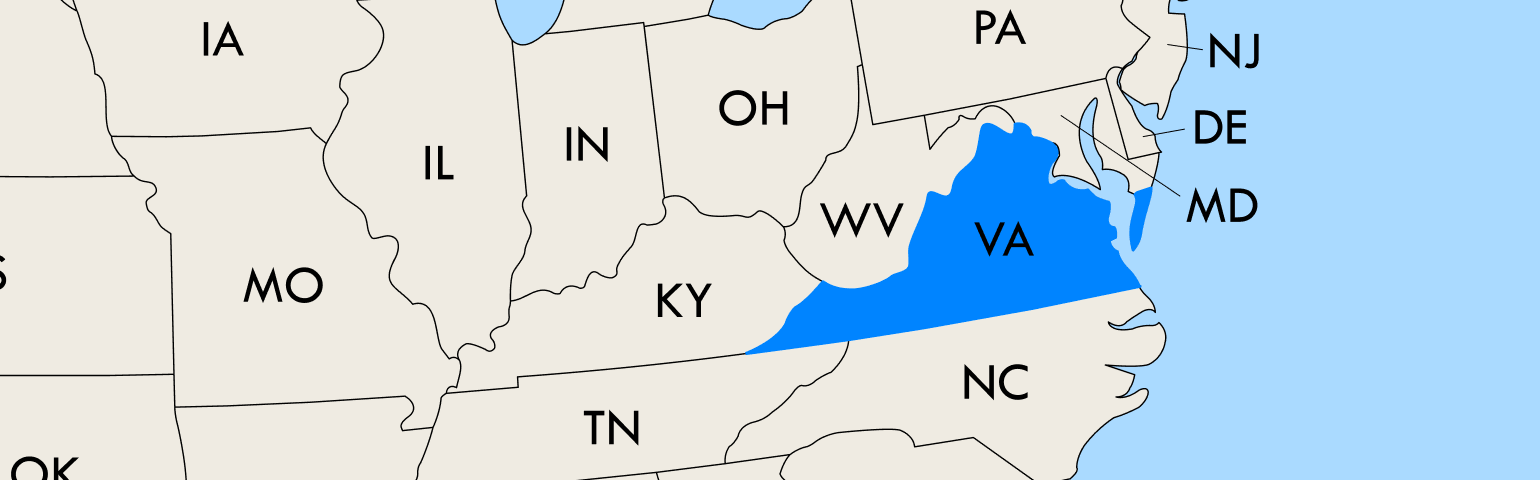
Virginia is located in the Mid-Atlantic region of the United States and covers approximately 42,774 square miles. With more than 8 million residents, it is one of the most populous states in the country. Richmond is the capital, while major cities include Virginia Beach, Norfolk, Chesapeake, and Richmond.
The local DMV provides official resources for vehicle registration, driver services, safety inspections, emissions information, and license-related services. Drivers may also use state and third-party tools for license plate lookup support, recalls, market value checks, and other vehicle ownership needs.
Virginia’s highway system includes interstate routes, primary highways, and local roads that connect cities, rural areas, and neighboring states. Because many vehicles move between Virginia and nearby states, checking VIN records can be useful when reviewing registration, title, and ownership data.
Vehicle history matters because used vehicle risks are not always obvious during a visual inspection. Accident history, stolen vehicles, flood damage, odometer fraud, and title problems can all affect a car’s safety, value, and long-term reliability.
Below are several useful Virginia vehicle-related statistics:
Registered Vehicles: According to Statista:
Traffic Accidents: According to the DMV Traffic Crash Facts:
Alcohol and Speed-Related Crashes:
Car Theft:
Natural Hazards: Storms, floods, severe weather, and other natural hazards can affect vehicles in Virginia. A VIN check may help identify records connected to insurance events or title issues caused by severe weather.
A Virginia VIN check can help you make a safer and more informed buying decision. Whether you are purchasing from a dealer, private seller, or auction, a VIN lookup can reveal details that are not always included in the listing.
Check for Accidents: Millions of crashes are reported across the United States each year by insurance companies. A Virginia VIN check can help you review accident history and determine whether the car may have been damaged in the past.
Check for Thefts: A VIN report can show whether a vehicle has active theft records or recovered theft history. This helps reduce the risk of buying a stolen car or a vehicle with unresolved legal issues.
Check Vehicle Records: A VIN analysis can connect you with records that may include title events, sales history, odometer readings, ownership changes, and other important background information.
Check for Title Brands: VIN data can help identify brands such as salvage, rebuilt, hail damage, or other major title events.
Check for Special-Purpose Designations: A report may show whether the vehicle was previously used as a taxi, rental car, police vehicle, or fleet vehicle.
Compare with License Plate Information: In some cases, a Virginia license plate lookup can support your research, especially when confirming that the plate, title, and VIN details match the vehicle being sold.

Useful resources for Virginia vehicle buyers and owners include:
These resources can help you check recalls, confirm inspection requirements, and understand official Virginia DMV rules before purchasing a used vehicle.
Start your VIN lookup VA today with EpicVIN’s free Virginia VIN check. Enter the vehicle’s 17-digit VIN code to review available vehicle records, title details, accident data, theft records, vehicle registration information, and other useful history.
Whether you are checking a Virginia title or comparing a VIN with license plate details, a vehicle history report can help you avoid costly surprises before you buy.
A VIN analysis can help you find available history details, including title status, collision history, theft records, mileage data, vehicle specifications, and registration-related records.
Yes. A VIN can help identify title status, ownership records, and certain registration details concerning both local and out-of-state vehicles when those records are available. For official title and registration services, use the local Department of Motor Vehicles website.
No. A plate lookup uses the plate number, while a VIN analysis uses the vehicle’s unique 17-character sequence. Both can support vehicle research, but the VIN number is usually the most precise identifier for title and history.
A VIN check may reveal mileage inconsistencies, theft records, recovered theft history, or other warning signs. This can help buyers identify possible fraud or stolen car risks.
Discover expert tips, news and advice on buying and maintaining used vehicles
Our team will tell you what to do if your VIN is wrong.
Read more
Read this article to discover how to protect the car from rodents
Read more
Our team will tell you what should you look for when buying a used car
Read more