Vehicle History
8 min read
Free ATV VIN Number Check Guide
Learn how to locate, read, and interpret your ATV's VIN.
Read moreLooking for the VIN?
Here is where you'll find it:



Real searches from EpicVIN users, updated daily.
of checked vehicles carry a salvage-title record (last 30 days)
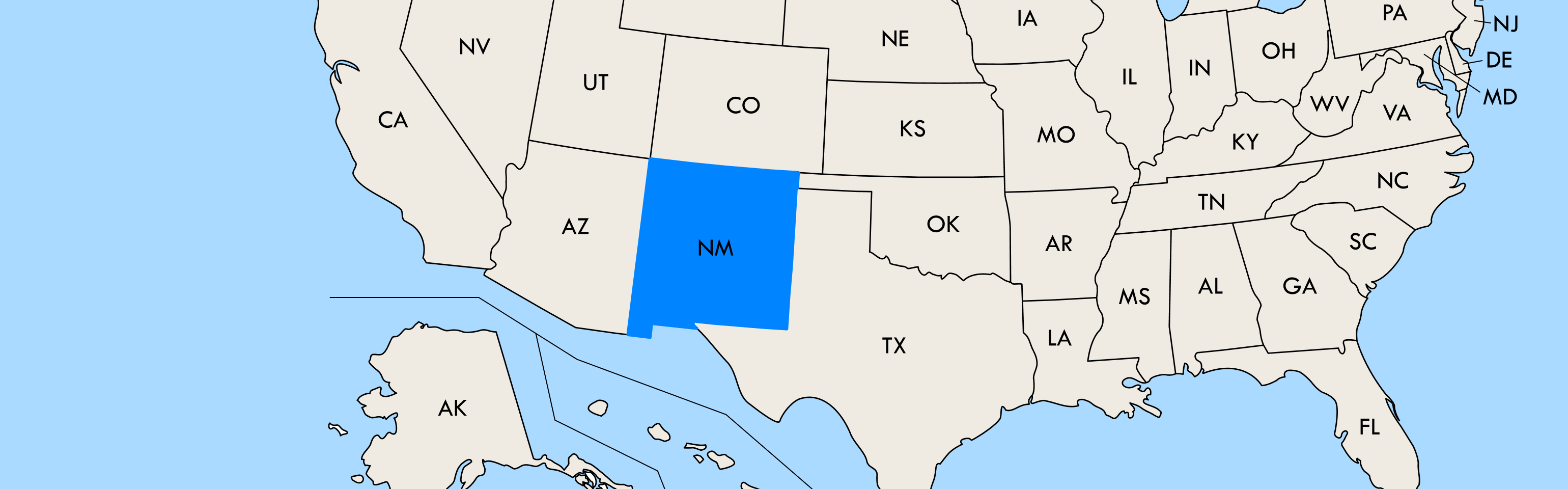
A New Mexico VIN lookup helps you check a used car before you buy it. It can help you review title status, accident history, odometer readings, liens, recalls, and ownership history so you can make a better purchase decision. Basic vehicle information may be available through state online services. A detailed vehicle history report usually comes from a paid VIN lookup service. Free checks can still be useful, but detailed reports often include title brands, flood damage, and other important history details.
A vehicle identification number (VIN) is a unique 17-character sequence assigned to a vehicle. During a New Mexico VIN lookup, this number is used to connect the vehicle to title paperwork, damage history, odometer readings, safety campaigns, and other vehicle history checks.
Modern VINs include 17 symbols. Understanding this structure can help you better read lookup and decoder results.
Vehicle manufacturers assign VINs during production under federal standards. Agencies in the state use that VIN for vehicle registration, title transfer, titling, and verification, while federal VIN rules are overseen in part by NHTSA. The New Mexico MVD (Motor Vehicle Division) also uses the VIN when processing registration and title-related transactions.
| PURPOSE | APPLICATION | RELEVANCE |
|---|---|---|
| Vehicle Registration | Confirming vehicle ownership | Essential for local drivers |
| Title Transfers | Verifying vehicle authenticity and title information | Required for purchase agreements |
| Vehicle History Reports | Reviewing accident history, odometer data, and prior title details | Important when buying a used vehicle |
| Insurance Claims | Documenting prior damage or loss history | Helpful for coverage verification |
| Parts Ordering | Ensuring correct specifications | Important for maintenance |
| Law Enforcement | Tracking reported stolen vehicles | Useful for theft prevention |
Your VIN number is usually found in a few standard places. Common locations include:
Before you buy a used vehicle, review a few important details. They can help avoid costly surprises later:
An NM VIN check can help protect consumers. It may reveal odometer fraud, salvage history, hidden accidents, title problems, or outstanding liens before you commit to the purchase. Reviewing a report first can help you avoid unexpected costs, legal issues, and safety concerns. It can also show whether the vehicle has safety issues or a serious damage history.
A lookup can reveal warning signs that affect a vehicle’s value, safety, or legal status.
| RED FLAG | WHAT IT MEANS | WHY IT MATTERS |
|---|---|---|
| Salvage Title | The vehicle was declared a total loss by insurance | High repair costs, safety risks |
| Odometer Rollback | Mileage tampering detected | False vehicle value, hidden wear |
| Unresolved Recalls | Outstanding safety issues | Potential safety hazards, repair costs |
| Multiple Owners | Frequent ownership changes | Possible maintenance issues |
| Title Issues | Problems with ownership documentation | Legal complications, title fraud risk |
| Accident History | Previous collision damage | Structural integrity concerns |
| VIN Cloning | Duplicate VINs exist | Possible stolen vehicle |
| Flood Damage | Water damage history | Hidden corrosion, electrical issues |
A report tied to a New Mexico VIN check can provide important details about a car’s background, including:
You can complete a lookup in three simple steps:
Compare with License Plate Information: In some cases, a New Mexico license plate lookup can support your research, especially when confirming that the plate, title, and VIN details match the vehicle being sold.
Along with VIN checks, drivers can use these resources for ownership, registration, insurance, and lookup information:
Lemon laws can help protect owners when a vehicle has serious recurring defects. When reviewing a history report, look at warranty claims and repair history. Repeated repairs for the same issue may point to a possible lemon law problem.
Registering a vehicle in the state usually requires:
Drivers have several options. Local MVD offices may provide basic vehicle information, while dealerships and third-party providers may offer more detailed history results. For a fuller picture, many buyers use trusted lookup services that compile data from title sources, insurance databases, service history providers, and other reporting channels. A complete history report can help you review title status, damage history, odometer readings, liens, recalls, and prior ownership before buying a used car.
Gifting a vehicle in New Mexico requires specific documentation and steps:
– Complete title transfer paperwork.
– Pay applicable taxes and fees.
– Provide proof of insurance.
– Complete odometer disclosure.
– Submit gift affidavit.
– Update vehicle registration.
– Obtain a new license plate number if needed.
The first step is to conduct a thorough VIN check before any purchase. This helps verify the vehicle’s legitimacy and reduces the risk of theft-related or title-related problems.
You can also reduce risk by working with reputable used vehicle dealers that request clear ownership documentation.
If you discover VIN plate issues, take these steps:
– Contact your local MVD office.
– Schedule a VIN check.
– Provide proof of ownership.
– Submit the required documentation.
– Request replacement documentation.
– Complete the verification process.
Yes, checking a VIN online is generally safe when you use authorized services or a trusted provider. These services can help you run a title check, review vehicle history details, and compare key documents before buying a used car. Make sure the site is legitimate and avoid sharing sensitive personal information unless it is clearly required.
Discover expert tips, news and advice on buying and maintaining used vehicles
Learn how to locate, read, and interpret your ATV's VIN.
Read more
Learn to decode the Hull Identification Number (HIN) for insights into a boat'...
Read more
This comprehensive guide explains the importance of VIN in determining your ve...
Read more