of checked vehicles carry a salvage-title record (last 30 days)
Top model years last 30 days
20%
2018
18%
2019
16%
2017
14%
2020
12%
2016
Buying a used car is easier when you start with a VIN lookup. A South Dakota VIN search can help you review a vehicle’s background, check title details, and spot issues that may not be obvious from a quick inspection. For shoppers comparing a used car before purchase, a South Dakota VIN lookup can be a practical way to review vehicle history, ownership details, and reported damage in one place.
A VIN can also support a South Dakota title search by helping you verify title status, past ownership details, and other records tied to the vehicle. Whether you are checking a car from a private seller or confirming paperwork before a transfer, the VIN is one of the most useful starting points for reviewing vehicle history and legal records.
What Is a Vehicle Identification Number in South Dakota?
A VIN is a unique code assigned to a vehicle by the manufacturer. It is used to connect a vehicle to essential records, such as registration, title history, and other official records. For buyers and owners, the VIN is the key piece of information used to look up a vehicle’s background before making a purchase or handling a title transfer.
A VIN lookup can help reveal vehicle history, title concerns, ownership details, and other records that may affect the value or legality of the vehicle. It is also used during title verification and vehicle registration to confirm that the vehicle matches the paperwork presented by the owner or seller.
How Many Digits Are in a VIN?
A VIN contains 17 characters. These characters identify the manufacturer, model year, assembly information, and other vehicle-specific details. Because the VIN is standardized, it is the foundation for a reliable vehicle search and is commonly used in vehicle history reports and title research.
Decoding a VIN can also help uncover issues that are not visible during a walkaround inspection. A VIN-based search may point to title brands, prior damage, flood damage, or other problems that could affect safety, value, or insurability. For used-car buyers, this makes the VIN especially important when reviewing a history report.
How Is a VIN Number Used?
A VIN is used to review a vehicle record before you buy, sell, register, or title a car. In practical terms, a VIN can help you check for accident history, title problems, theft records, and ownership changes. It is also tied to vehicle registration records and may be used during title processing to confirm that the car matches the documents on file.
For used-car buyers, a VIN lookup can provide useful vehicle information before money changes hands. It helps you compare the seller’s claims with available records and decide whether the vehicle has unresolved issues, prior damage, or title concerns that deserve closer attention.
How to Find Your Car’s VIN Number
A VIN number is commonly found in these locations:
On the dashboard near the windshield on the driver’s side.
On the driver’s door frame or door post.
On the vehicle title, registration card, or insurance documents.
In the engine compartment on some older vehicles.
In certain state or dealership records connected to the vehicle, including registration and title paperwork.
When reviewing documents, buyers may also compare the VIN with related vehicle details listed on registration records, title paperwork, and sometimes records tied to license plates. Checking these sources helps confirm that the vehicle information is consistent across official records.
Challenges of Buying a Used Car in South Dakota
Buying a used car in this state comes with risks that are not always visible at first glance. Hidden repairs, title discrepancies, prior accident damage, and weather-related issues can all affect a vehicle’s condition and value. Flooding, hail, and harsh seasonal conditions may leave behind damage that is expensive to correct later.
A South Dakota VIN search can help a buyer review an ownership history, collision records, title brands, and odometer readings before purchase. That matters when you are trying to confirm whether a seller’s description matches the vehicle’s record. It can also help identify risks such as undisclosed damage, mileage discrepancies, salvage history, or prior theft-related issues.
Accidents, Disasters, and Theft Statistics for South Dakota
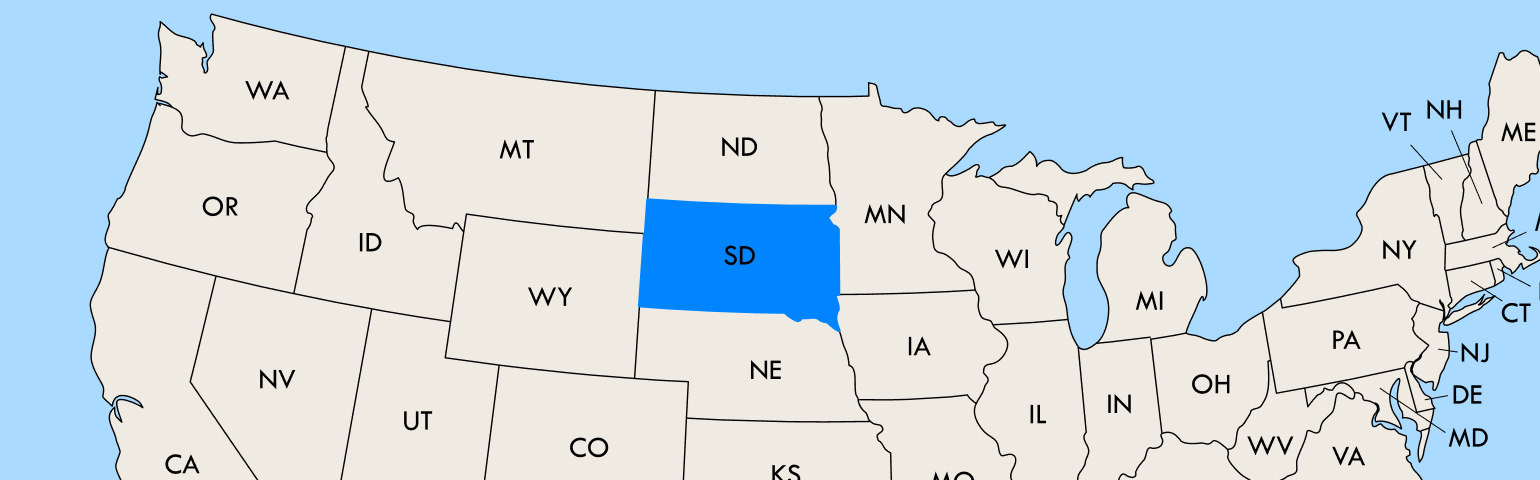
The state sees thousands of crashes each year, along with weather events that can damage vehicles and affect long-term reliability. That is one reason a VIN lookup can be useful before purchase: it can help a buyer review collision records, flood damage concerns, and vehicle theft risk in context rather than relying only on appearance.
Motor vehicle collision with another vehicle (42%)
Includes both property damage and fatal crashes.
Animal-Related Crashes
4,847
27.5% of all crashes involved an animal, mostly deer.
Economic Impact
$585 million
The economic loss from all reported traffic crashes.
Vehicles Damaged by Natural Disasters
2,000+
Primarily due to hailstorms and flooding, which caused severe vehicle damage.
What Is a Vehicle History Report in South Dakota?
This report gives you a broader picture of a car’s past. It can help you understand how the vehicle was used, whether it has title issues, and whether there are warning signs that deserve more review. A good vehicle history report may include the following:
Previous Owners: Shows how many people or businesses have owned the vehicle. A stronger ownership history can help a buyer understand how often the vehicle changed hands.
Title History: Helps identify whether the vehicle has a clean title or whether it has salvage, rebuilt, or other branded title status.
Accident Records: Shows reported collisions that may affect safety, value, or long-term reliability.
Odometer Reading: Helps verify mileage and detect signs of rollback or inconsistent mileage reporting.
Vehicle Theft: Shows whether the vehicle was ever reported stolen or connected to theft-related records.
For buyers, history and title reports are useful because they combine several types of public records and industry data into one review process.
What Are the Benefits of Running a South Dakota VIN Check?
The biggest benefit of a VIN lookup is that it helps you make a better decision before you buy or transfer a vehicle. Instead of relying only on the seller’s description, you can review title information, ownership changes, accident history, and other warning signs that may affect the car’s value.
A South Dakota title search can also help you spot legal or paperwork issues before purchase. Combined with a South Dakota VIN lookup, it can help confirm title status, identify discrepancies, and reduce the risk of buying a vehicle with hidden damage or unresolved record issues.
How Do I Look Up a VIN Number for Free in South Dakota?
To run a South Dakota VIN lookup, enter the VIN into an online search tool and review the results tied to that vehicle. This search can help you check title details, ownership details, accident information, and damage records before you move forward with a purchase.
Such services are often used as a first step before checking additional public records or state paperwork. For buyers, that makes a VIN lookup a practical way to review a used vehicle before dealing with title transfer or registration documents.
Compare with License Plate Information: In some cases, a South Dakota license plate lookup can support your research, especially when confirming that the plate, title, and VIN details match the vehicle being sold.
The South Dakota Department of Revenue
The South Dakota Department of Revenue oversees key motor vehicle services, including titling and registration. If you are buying a used vehicle, this is the agency connected to many of the records involved in title verification, ownership transfer, and registration.
During the title process, buyers and sellers may also need documents such as a certificate of title, bill of sale, lien release, and odometer-related paperwork. In some cases, owners may need the Duplicate Title Application Form 1002. Depending on the transaction, title-related steps may also involve the county Treasurer’s Office, especially when fees, transfer documents, license plates, and local processing are involved.
Reviewing these records carefully can help confirm that the vehicle is ready for transfer and that no title issues remain unresolved. Buyers should also be aware that paperwork may include an odometer disclosure and, in some cases, a title transfer fee.
South Dakota Resources for Car Drivers and Owners
These resources may help drivers, buyers, and owners review records, forms, and state procedures:
County Treasurer’s Office resources for title and registration processing.
The sources may be useful when checking public records, reviewing online services, or finding official guidance related to title work, registration, South Dakota driver’s license information, and law enforcement reporting.
Where to Get a VIN Check in South Dakota?
A VIN lookup can help you review title history, collision records, prior ownership, and reported damage before you buy. It can also support a South Dakota title search by giving you a starting point for reviewing vehicle history reports and related records.
For prospective buyers, reviewing a report before finalizing a purchase can reduce the risk of surprise repairs, title issues, or undisclosed water damage. That makes a VIN lookup one of the most practical steps to take before buying a used car.
Frequently Asked Questions
To verify a VIN in the state, enter the VIN into a lookup service and compare the results with the seller’s paperwork and the VIN shown on the vehicle. This helps you review title records, ownership details, accident history, and other vehicle records before purchase.
Yes. It is completely reasonable to ask a seller for the VIN before you buy. That gives you time to review the vehicle’s background, title records, and history before committing to the deal.
Yes. A VIN can often be used to retrieve vehicle specs, such as make, model, engine type, model year, and other identifying details. This can be helpful when comparing listings or confirming that the vehicle matches the description provided by the seller.
No. Buying a vehicle without a VIN is not recommended. The VIN is essential for checking history, verifying title status, reviewing records, and confirming that the vehicle can be legally transferred and registered.
Similar Articles
Discover expert tips, news and advice on buying and maintaining used vehicles
Learn everything there is to know about your next car.
We use cookies
. If you continue to browse it means you agree to the use of cookies. Learn more and change cookie settings
.
Choose your country or region
Switch to Global?
This version of EpicVIN isn't adapted for your region — Global. Data coverage and some features may not work as expected, and your experience may be worse. We recommend staying on your regional version.