of checked vehicles carry a salvage-title record (last 30 days)
Top model years last 30 days
26%
2016
18%
2015
15%
2019
8%
2014
8%
2017
Get a Free VIN Check on Any Vehicle Registered in Vermont
Before you buy a used car with a Vermont title from a private seller or out-of-state dealer, it is smart to confirm the vehicle identification number and review the car’s background. A Vermont VIN lookup can help you verify key records before you commit to a purchase. Many shoppers begin with a free report to screen a vehicle, confirm VIN verification details, and spot issues that may affect the vehicle’s condition, value, or vehicle registration history.
EpicVIN helps buyers search records for more than 220 thousand vehicles registered in Vermont. Our reports compile data from official sources across the United States, including vehicle specifications, title records, collision history, theft records, odometer readings, sales history, and other important details. With a 17-digit VIN, you can access a vehicle history report and make a more informed buying decision.
Title Request in Vermont
Future vehicle owners can also request title information through the Vermont DMV (Vermont Department of Motor Vehicles) records process. A title record may help you review ownership history, branding details, and other information tied to the vehicle’s title status. This can be especially useful when you need a Vermont title search, want to compare title information with a Vermont VIN lookup, or need a title branding search for signs of salvage, flood, or rebuilt history.
For official title records, the Vermont Department of Motor Vehicles may require a fee and a completed records request form. In some cases, alongside the Vermont DMV information, buyers use title data from the National Motor Vehicle Title Information System (NMVTIS) to better understand how title records relate to a vehicle’s reported history.
Resources for Vehicle Owners and Drivers in Vermont
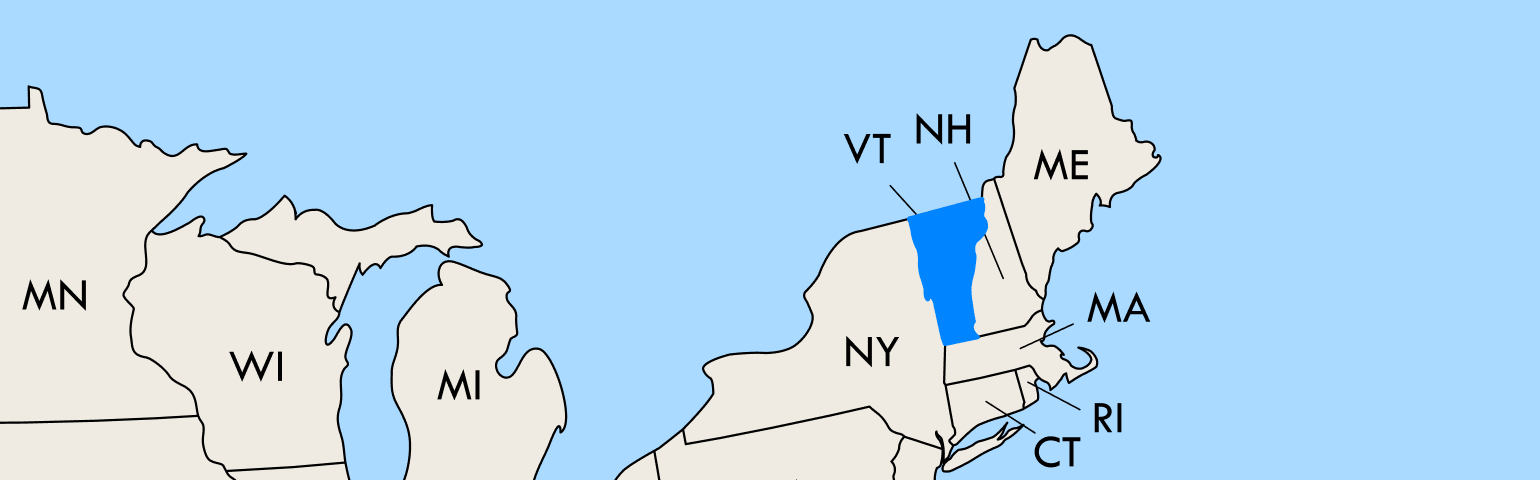
Vermont is located in the Northeast region of the United States and has a population of 624,594 residents. The capital is Montpelier. The state is divided into 14 counties and includes 9,616 square miles of land area, along with thousands of miles of U.S. Highways, State Highways, and Interstate highways.
For Vermont drivers, vehicle owners, and buyers, practical state resources matter just as much as general facts. Whether you are handling vehicle registration, comparing vehicle data before a sale, or reviewing requirements that may affect insurance companies, title records, or inspection needs, state-specific information can help you avoid delays and paperwork issues.
Accidents, Disasters, and Theft Statistics for Vermont
Here are some recent statistics related to registered vehicles, crashes, theft records, and natural hazards in Vermont:
In 2018, there were 218,302 vehicles registered in Vermont.
Traffic Accidents: According to the Vermont Highway Safety Alliance’s Annual Report:
In 2015, there were 57 traffic fatalities.
In 2015, there were 11 motorcycle fatalities in Vermont.
About 50% of motor vehicle crashes in Vermont involved alcohol, drugs, or both.
About 30% of reported fatalities involved people who were not wearing seat belts.
Many crashes occur in and around Burlington, the state’s largest city.
These numbers matter because accident history and collision records can affect both safety and resale value. A vehicle with prior crash damage, flood damage, or inconsistent odometer readings may require closer review before purchase.
Motor Vehicle Theft:
In 2016, Vermont recorded 45.1 vehicle thefts per 100,000 residents.
Approximately 0.7 vehicles were stolen per day in the state.
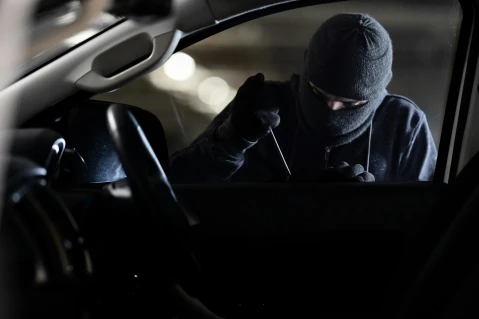
Theft records are important for buyers because a Vermont VIN check may reveal whether a vehicle was reported stolen, later recovered, or flagged in records used by law enforcement and related agencies.
Natural Disasters:
Over the years, Vermont has experienced flood incidents, although many have not been catastrophic.
Even when damage is not severe, past flood exposure can still affect a vehicle’s condition and long-term reliability.
Do You Really Need to Run a Vermont VIN Check?
A report can help you understand much more than a basic listing description. Here are some of the main reasons buyers use a Vermont VIN lookup before purchasing a vehicle:
Check accident history
The National Highway Traffic Safety Administration (NHTSA) reports millions of crashes every year. Reviewing collision records can help you avoid buying a vehicle with hidden damage.
Confirm VIN verification details
Such a verification can help confirm that the 17-digit VIN matches the records associated with the vehicle, including title and registration-related information.
Review title brands
A Vermont title search can help uncover title brands such as salvage and rebuilt title or hail damage. This is especially important when assessing the vehicle’s condition and resale risk.
Look for theft records
Buying one of many previously stolen cars can create legal and financial trouble. A Vermont VIN check may reveal active or recovered theft records tied to the vehicle.
Check previous vehicle use
Some vehicles were used for special-purpose tasks, including taxi, rental, fleet, or police service. That history may affect wear, maintenance, and value.
Compare odometer readings
They can help you spot mileage inconsistencies and possible odometer fraud. This is one of the simplest ways to identify a vehicle that deserves closer inspection.
Compare with License Plate Information
In some cases, a Vermont license plate lookup can support your research, especially when confirming that the plate, title, and VIN details match the vehicle being sold.
Start your Vermont VIN lookup today with EpicVIN. Enter the VIN to review a vehicle history report, support VIN verification, and check title and registration-related records before you buy.
Frequently Asked Questions
A Vermont VIN lookup is a search based on a vehicle’s 17-digit VIN that helps you review history report details such as title records, collision history, theft records, vehicle registration information, and mileage data.
Yes. A Vermont title search may support a branding search for issues such as salvage title, rebuilt history, or flood-related damage.
This verification helps confirm that the identification number matches available records connected to the car. It can also help buyers compare title, vehicle registration, and history details before purchase.
A report may help you review odometer readings over time and spot inconsistencies that could indicate mileage rollback or other record issues.
You can review the local lemon laws through official state consumer or motor vehicle resources, especially if you are researching buyer protections after a vehicle purchase.
Similar Articles
Discover expert tips, news and advice on buying and maintaining used vehicles
Learn everything there is to know about your next car.
We use cookies
. If you continue to browse it means you agree to the use of cookies. Learn more and change cookie settings
.
Choose your country or region
Switch to Global?
This version of EpicVIN isn't adapted for your region — Global. Data coverage and some features may not work as expected, and your experience may be worse. We recommend staying on your regional version.