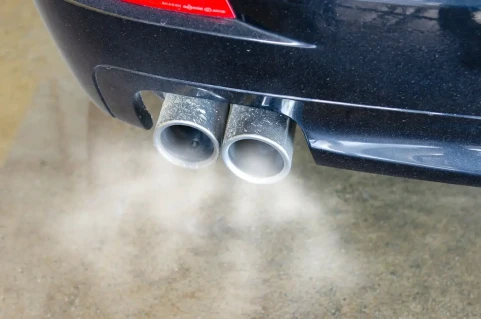

Prepare the car before it sits. The battery, brakes, tires, fuel, fluids, and exposed metal parts can all suffer during months of inactivity.
The most common issues are:
- A dead battery.
- Brake damage from rust.
- Flat spots.
- Stale fuel.
- Moisture.
- Pest damage.
Good car storage starts with a dry storage location, a clean vehicle, proper battery maintenance, a released parking brake, correct tire pressure, stabilized fuel, and a quick inspection before driving again.
Why Long-Term Car Storage Can Cause Problems
Long-term car storage creates problems. When a vehicle sits, fluids stop circulating. Metal surfaces stay exposed. Electrical systems still draw small amounts of power.
The battery is usually the first weak point. Alarms, clocks, control modules, and keyless systems may keep using electricity. Brakes are also vulnerable. Brake rotors are exposed metal. Moisture can cause surface rust, especially where pads stay in contact with the rotors.
Other common storage problems include:
- Flat spots on tires.
- Aging fuel.
- Cabin moisture
- Underbody rust.
- Pests.
Vehicle storage is safest when the car is clean, dry, protected, and prepared in advance.
How Long Can a Car Sit Without Being Driven?
A car can often sit for a few weeks without serious damage. Still, tire pressure may drop. Light rust may appear on brake rotors. The battery may lose charge.
After one or two months, storing a car becomes riskier. Deep discharge can shorten battery life. Tires keep losing air. Fuel starts to age. Moisture may collect in the cabin, exhaust, or engine bay.
After six months or more, the battery, brakes, tires, fuel system, fluids, rubber seals, and exposed metal parts are most likely to suffer. A poorly stored vehicle may start poorly. It can brake unevenly, vibrate, or smell musty.
Step 1: Choose the Right Storage Location
The storage location affects almost every storage risk. A dry, clean, shaded space is best. Indoor storage reduces exposure to rain, snow, sunlight, pests, falling branches, and temperature changes.
Outdoor storage can work. However, it needs more protection. Weather, UV exposure, ground moisture, and humidity can speed up paint damage, rust, tire aging, and interior wear.
Storage Type | Pros | Cons |
| Garage | Best protection | Limited availability |
| Indoor Storage Facility | Climate protection | Higher cost |
| Covered Storage | Moderate protection | Weather exposure |
| Outdoor Storage | Lowest cost | Highest risk |
If indoor storage is available, use it. If outdoor storage is the only option, avoid grass, dirt, or bare soil. Ground moisture can rise into the underbody. It increases corrosion around brake parts, suspension parts, exhaust sections, and frame areas.
Use a breathable car cover outdoors. Do not use a plastic tarp directly on the paint.

Step 2: Clean the Vehicle Before Storage
Never store a dirty car for months. Dirt, road salt, bird droppings, tree sap, brake dust, and road chemicals can damage paint and speed up corrosion. Wash the body, wheels, wheel wells, and underbody.
Dry the car completely. Moisture trapped under a cover or inside body seams can create rust.
Clean the interior. Remove:
- Food.
- Drinks.
- Wrappers.
- Paper.
- Clothes.
- Gym bags.
Vacuum the seats, carpets, trunk, and storage compartments. Store the vehicle clean, dry, and empty.
Step 3: Protect the Battery
Battery maintenance is one of the most important parts. A parked car still uses electricity. Small electrical loads can drain the battery over several weeks or months.

The best option is a smart battery maintainer or trickle charger. It keeps the battery at a safe charge level. Also, it reduces the risk of overcharging.
Use a trickle charger or maintainer when:
- The car will sit for several weeks or months.
- The battery is healthy.
- The storage location has safe access to electricity.
- The vehicle may lose settings if the battery is disconnected.
AAA recommends using a battery tender or charger for vehicles that are not driven regularly in its unused car care guidance.
Interstate Batteries also explains the value of an automatic charger in its battery life maintenance guide.
If power is not available, a disconnected battery may be better than leaving it connected for months. Disconnect the negative terminal to reduce parasitic drain. However, check the owner’s manual first. Some vehicles need reset procedures.
Step 4: Prevent Brake Damage During Storage
Brake damage is one of the biggest risks. The problem is moisture, corrosion, and lack of movement.

Brake rotors are exposed metal. Rain, humidity, washing, snow, or condensation can leave moisture. Light rust may be normal after a short period. Nonetheless, months of storage can make corrosion heavier.
The pad contact area matters most. If moisture stays trapped between the brake pad and rotor, rust may form in one spot. When the vehicle is driven again, the brakes may feel rough, noisy, or uneven.
The parking brake can also create problems. Leaving it engaged for months may cause brake shoes, pads, cables, or mechanisms to stick.
For long-term storage, park on level ground if possible. Put an automatic transmission in Park or a manual transmission in gear. Use wheel chocks, then release the parking brake unless the owner’s manual says otherwise.
Do not store the car immediately after washing. Drive a short distance. Brake gently several times to dry the brake rotors before parking.
Step 5: Prepare the Tires
Tires can lose air even when the car is not moving. If tire pressure drops during storage, the sidewalls carry more stress. The tread may flatten where it touches the ground.
Flat spots can cause vibration, noise, and poor ride quality. Severe flat spotting may not fully recover.
Before storage, inflate the tires to the pressure listed on the driver-side door placard. Do not use the maximum pressure. NHTSA explains the importance of correct inflation in its tire safety guidance.
Michelin also covers this issue in its flat-spotting guidance.

To reduce tire problems:
- Check tire pressure before parking.
- Inflate tires to the recommended pressure.
- Park on a clean, solid surface.
- Move the vehicle slightly if possible.
- Use tire cradles for extended storage.
- Consider jack stands for very long storage.
Before driving again, check tire pressure. Inspect for cracks, bulges, sidewall damage, or vibration.
Step 6: Stabilize Fuel and Check Fluids
Fuel does not stay fresh forever. Gasoline can oxidize, absorb moisture, and leave deposits as it ages. Condensation can form in a partly empty tank.
Before storing a car for several months, fill the fuel tank and add fuel stabilizer. After adding stabilizer, drive the vehicle long enough for treated fuel to circulate through the fuel lines and injectors.
Engine oil also matters. If the oil is old, dirty, or close to the service interval, change it. Used engine oil can contain contaminants, moisture, and combustion byproducts.
Also check:
- Coolant.
- Brake fluid.
- Washer fluid
- Power steering fluid.
- Transmission fluid.
Should You Start the Engine During Storage?
Starting the engine can help only if the vehicle reaches full operating temperature. Fluids circulate, the alternator charges the battery, and heat can evaporate some moisture.
Short starts are the problem. Running the engine for only a few minutes can create condensation in the engine and exhaust system. If the oil, exhaust, and catalytic converter do not get hot enough, moisture may remain.
If you start the engine, make sure the area is well ventilated. Never run it in a closed garage. Let it reach full operating temperature. Avoid repeated short starts. For many stored vehicles, a battery maintainer and proper preparation are better than occasional short idling.
Common Mistakes When Storing a Car for Several Months
Avoid these common mistakes:
- Leaving the battery connected without a maintainer.
- Storing the vehicle with a weak battery.
- Parking the car dirty, salty, or damp.
- Ignoring tire pressure.
- Leaving old fuel in a partly empty tank.
- Forgetting fuel stabilizer.
- Engaging the parking brake for months.
- Parking on grass, dirt, or wet ground.
- Using a non-breathable tarp.
- Leaving food, paper, clothes, or trash in the cabin.
- Starting the engine briefly without warming it fully.
- Storing the vehicle with wet brakes.
- Skipping inspection before driving.
Long-Term Car Storage Checklist
Use this checklist:
✔ Wash and dry the vehicle.
✔ Clean the interior and remove food, trash, and damp items.
✔ Fill the fuel tank.
✔ Add fuel stabilizer.
✔ Drive briefly so treated fuel circulates.
✔ Change engine oil if needed.
✔ Check coolant, brake fluid, washer fluid, and other fluids.
✔ Inflate tires to the recommended pressure.
✔ Park on a clean, dry, solid surface.
✔ Choose indoor storage when possible.
✔ Use a breathable car cover outdoors.
✔ Connect a battery maintainer or disconnect the battery.
✔ Release the parking brake.
✔ Use wheel chocks on level ground.
✔ Protect the cabin from moisture and pests.
✔ Inspect periodically for leaks, odors, moisture, pests, and tire pressure.

Summary
Long-term car storage is mostly about prevention. The battery needs a charge plan. The brakes need dry conditions and should not be held by the parking brake for months. Tires need the correct pressure. Fuel should be stabilized. The vehicle should be clean, dry, and protected from moisture.
Frequently Asked Questions
It is usually better not to leave the parking brake engaged for months. Brake mechanisms can stick. Consider using wheel chocks if the vehicle is parked on level ground.
Rare short starts are not always useful. If the engine is started, it should reach full operating temperature. A proper drive is better than a brief idle. However, it is relevant only if the vehicle can be moved safely and legally.
Maintain correct tire pressure. Park on a solid surface. Move the vehicle periodically if possible. For longer storage, tire cradles or jack stands may help reduce pressure on one section of the tire.